Pantry Perfection: How Storage Became the Ultimate Luxury

Luxury in home design isn’t just about grand entrances or marble countertops anymore. Today, indulgence is found in the details—the spaces that quietly make everyday life smoother, cleaner, and more enjoyable. And one room, once dismissed as purely functional, is now stealing the spotlight: the pantry.

Pantries have evolved from basic storage rooms into thoughtfully designed micro-environments that blend beauty and function. Whether it’s a spacious walk-in pantry for a passionate home chef, a refined butler’s pantry for seamless entertaining, or a discreet hidden pantry that keeps the kitchen pristine, these spaces have become some of the most coveted home upgrades of the decade.

Why Pantries Are the New Symbol of Luxury

For years, the kitchen was the heart of the home, while the pantry was its humble sidekick—useful, but rarely celebrated. That’s changing. Modern homeowners aren’t just chasing size and shine; they want efficiency, flow, and quiet sophistication. A well-designed pantry delivers all three.

It declutters the main kitchen, hides everyday chaos, and provides storage that actually makes sense. It’s not just about more shelves—it’s about freeing countertops, keeping ingredients and appliances within reach, and creating a space that supports cooking, cleaning, and entertaining with ease. In short, a luxury pantry isn’t about showing off wealth—it’s about showing impeccable taste.

The Big Three: Walk-In, Butler’s, and Hidden Pantries

Walk-in pantries are the pinnacle of scale and customization. They store everything from dry goods and wine to appliances and servingware, and sometimes even include a prep sink. For families who cook frequently or buy in bulk, a walk-in pantry is transformative. With proper lighting, ventilation, and durable finishes, it feels like an extension of the kitchen—both functional and beautiful.

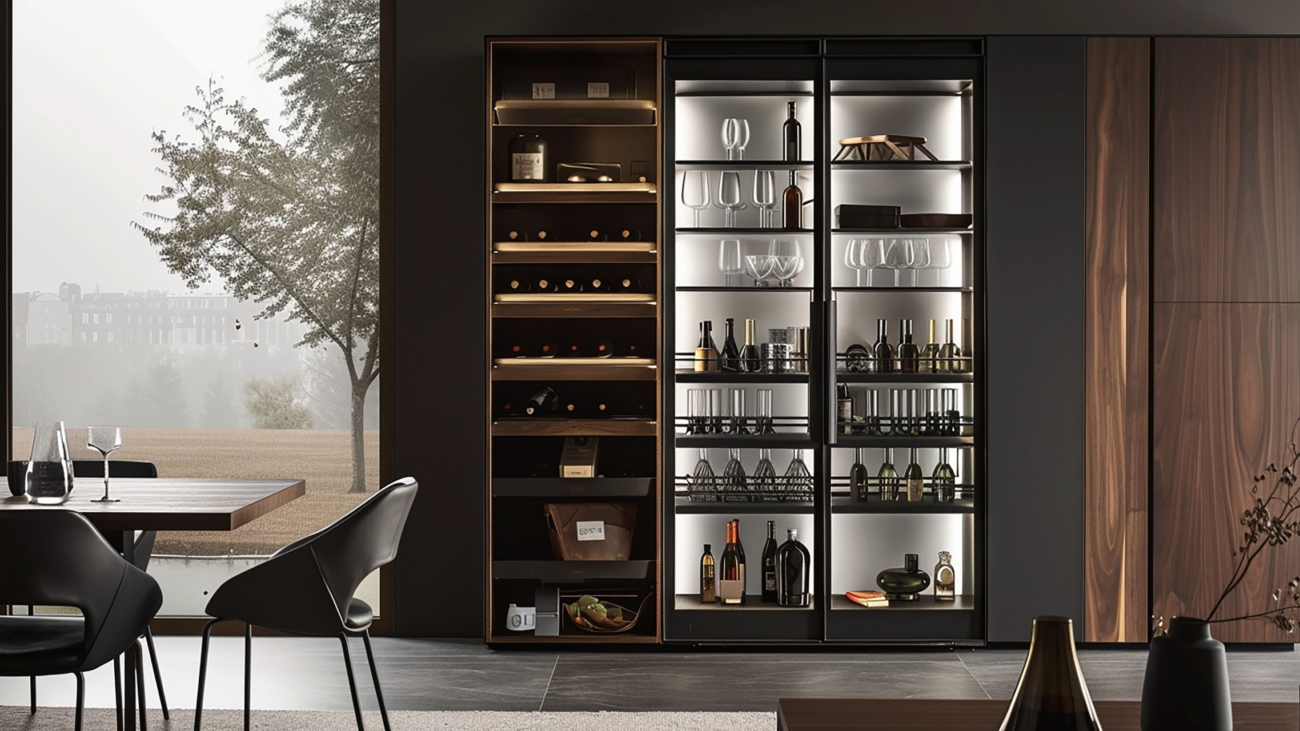
Butler’s pantries bring a different kind of luxury. Traditionally a service area between kitchen and dining room, they now serve homeowners who love to entertain. Equipped with sinks, wine fridges, and display cabinetry, these pantries function as beverage stations, staging zones, or cleanup areas. Warm lighting and elegant finishes add sophistication, making hosting effortless while keeping the main kitchen spotless.

Hidden pantries are the minimalist’s dream. Seamlessly integrated into kitchen cabinetry, they’re virtually invisible at first glance. Inside, pull-out shelves, integrated lighting, and organized storage provide maximum efficiency without disrupting the kitchen’s clean lines. Hidden pantries offer the luxury of order without visual clutter.

Designing for Flow and Function

A successful pantry begins with flow. Every item should have a place that feels intuitive—a layout that mirrors how you cook, clean, and live. Many pantries are organized into “zones”: one for dry goods, one for beverages, one for appliances, and sometimes even a prep counter.

Accessibility is key. Shelves that are too deep hide items; too shallow, and they limit storage. Depths between 12 and 18 inches usually provide the perfect balance. Pull-out drawers, rotating shelves, and adjustable shelving maximize every inch, especially in walk-in or hidden pantries.

Lighting is just as important. A dark pantry, no matter how large, feels utilitarian rather than luxurious. Recessed ceiling lights paired with LED strips under shelves create an even, welcoming glow, while warm lighting in glass-front or open pantries turns stored items into a design feature.

Material Matters: Crafting Luxury

Luxury is in the materials. A pantry should harmonize with the kitchen while allowing subtle contrasts. For instance, a sleek white kitchen might feature a natural oak pantry interior, or brushed brass hardware could complement chrome elsewhere.

Solid wood shelving conveys quality, while quartz or marble counters add substance. Glass or metal shelves can introduce lightness and reflectivity. Soft-close doors, concealed hinges, and seamless hardware enhance the sense of refinement. Flooring—whether tile, stone, or hardwood—can unify or subtly distinguish the pantry, and even small details like leather pulls, textured backsplashes, or frosted glass doors contribute to an understated sense of luxury.

Walk-In Pantries: Everyday Grandeur

A walk-in pantry is a secondary kitchen in miniature. Deep drawers, prep counters, small appliances, and even a sink or island turn it into a practical and beautiful workspace. Thoughtful organization—glass jars, woven baskets, labeled containers—creates a curated calm, while under-shelf LED lighting keeps everything visible. Proper ventilation preserves ingredients, ensuring this functional space performs like a true luxury room.

Butler’s Pantries: Entertaining with Ease

The butler’s pantry bridges cooking and hosting. With sinks, beverage fridges, wine coolers, and display shelves for glassware, it allows meal prep and drink service to happen behind the scenes. Elegant finishes, warm lighting, and refined details make entertaining seamless, turning chores into effortless grace.

Hidden Pantries: Seamless Sophistication

Hidden pantries satisfy the modern desire for minimalism. Disguised behind cabinetry or pocket doors, they reveal bright, organized storage upon opening. Smart accessories like pull-out trays, baskets, and custom inserts maximize space, while motion-sensor lighting and soft-close doors make daily use feel effortless. Hidden pantries embody quiet sophistication—the understated luxury of efficiency without distraction.

Avoiding Common Design Mistakes

Even the most luxurious pantry can falter without careful planning. Poor lighting, improperly sized shelves, or inadequate ventilation can compromise both function and comfort. Accessibility, outlet placement, and traffic flow are crucial. A pantry should feel intentional—every hinge, drawer, and surface should contribute to form and function alike. True luxury lies in precision, not excess.

Customization: Making It Yours

The most luxurious pantries are tailored to the homeowner. Baking enthusiasts might add dedicated flour drawers and stand-mixer stations. Coffee lovers might include beverage bars with cup storage and water lines. Families can create snack zones for children, while wine collectors add climate-controlled racks. Color, texture, and small design accents—from patterned tile backsplashes to brass hardware—imbue the space with personality.

Technology also elevates luxury: motion-activated lighting, digital inventory trackers, and hidden charging docks bring modern convenience to every visit. Luxury today combines beauty, efficiency, and ease.

The Quiet Power of a Luxury Pantry

When we think of luxury homes, dramatic features often come to mind—grand staircases, spa bathrooms, oversized islands. But real luxury often hides in subtle corners: the pantry that functions flawlessly, the drawer that closes softly, the space that makes everyday routines smoother.

A well-designed pantry gives your kitchen a heartbeat. It keeps countertops clear, gatherings organized, and mornings stress-free. Whether you choose the grandeur of a walk-in, the elegance of a butler’s pantry, or the subtlety of a hidden design, a custom pantry adds both practical and emotional value to your home.

Luxury isn’t about having more—it’s about living better. A beautifully designed pantry delivers that every day, quietly elevating the way you live, cook, and entertain.

The Price of Procrastination: Why Putting Off Your Remodel Could Cost You More

The True Cost of Waiting: Why Delaying a Home Remodel Can Drain Your Wallet

Many homeowners assume that postponing a remodel will save money. They imagine a calmer period ahead, a more favorable economy, or the perfect moment when inspiration strikes. Delay can feel safe and practical—a way to avoid financial strain. Yet, in reality, putting off a remodel is rarely a neutral choice.

Homes don’t pause while you wait. Each year, minor wear evolves into major repairs, outdated layouts chip away at comfort and efficiency, and rising material costs push project budgets higher. What seems like a simple cosmetic update today can easily escalate into a complex, expensive undertaking tomorrow.

At Sebring Design Build, we often see homeowners pay the hidden price of inaction. A project that could have been straightforward becomes complicated. Small problems grow into structural concerns. And what started as a cosmetic fix transforms into a significant investment.

Here’s why doing nothing may quietly—but surely—drain your wallet:

1. Rising Material Costs Make Waiting More Expensive

The clearest financial risk of delaying a remodel is the steady rise in the cost of materials. Lumber, metals, tiles, stone, cabinetry, and other building components have all climbed over recent years. While prices sometimes dip temporarily, the overall trend continues upward.

Several factors drive this increase. Global supply chains remain unpredictable, causing disruptions that ripple through markets. Raw materials grow more expensive, transportation costs climb, and labor shortages push contractors’ rates higher. Each of these elements contributes to a market where waiting rarely pays off.

A kitchen renovation that might have cost $90,000 last year could easily exceed $100,000 this year—not because your plans changed, but because the world around your project did.

2. Your Home Ages While You Wait

Homes don’t stand still, and small wear and tear rarely stays small. Cabinets sag, grout cracks, plumbing weakens, and finishes begin to show their age. Often, what looks like minor cosmetic damage hides deeper problems—a slow leak can warp flooring, poor ventilation can invite mold, and outdated wiring or plumbing may be creeping toward failure.

Deferred maintenance compounds over time. The longer you wait, the more these small issues spread, and when the time finally comes to remodel, contractors may need to address structural repairs in addition to aesthetic updates. What once could have been a simple project becomes much more involved and expensive.

3. Outdated Layouts Cost You Every Day

A remodel isn’t just about appearance—it’s about improving function and flow. Inefficient layouts impact daily life in subtle but cumulative ways:

  • Kitchens with poor flow make meal prep slower.
  • Limited counter space forces awkward workarounds.
  • Bathrooms with insufficient storage or cramped traffic patterns create morning stress.
  • Laundry rooms without adequate organization add clutter and frustration.
  • Living spaces designed for outdated lifestyles fail to support modern needs.

These small frustrations cost time, comfort, and energy. A thoughtfully updated layout, on the other hand, can make your home feel larger, more usable, and far more enjoyable. Waiting simply prolongs the daily costs of inconvenience and inefficiency.

4. Energy Inefficiency Adds Up

Older homes often suffer from leaky windows, settling insulation, and aging HVAC systems. Outdated appliances and lighting draw more energy than modern alternatives. Over time, these inefficiencies silently inflate utility bills, create discomfort, and strain your home’s systems.

A remodel offers an opportunity to upgrade appliances, lighting, insulation, and ventilation, immediately reducing energy costs and protecting the home from long-term damage like mold or rot. Each year of delay is another year of avoidable expenses.

5. Remodeling Offers Strong ROI—But Delay Pushes It Further Away

Updating kitchens, bathrooms, and living spaces consistently delivers strong returns on investment. Buyers and appraisers value modern layouts, efficient systems, and well-maintained finishes. A home that feels dated can linger on the market or sell for less than it might otherwise.

Starting a remodel sooner means your home appreciates faster, you enjoy the benefits longer, and your investment starts paying off immediately. Waiting pushes the return on investment farther into the future and risks leaving your home out of sync with market expectations.

6. Contractor Availability Is Limited

High demand for skilled contractors is another hidden cost of delay. Waiting until the last minute often means limited scheduling options, fewer material choices, and rushed planning. Starting early gives you control over timelines, access to the best talent, and a smoother, more predictable project experience.

7. Small Problems Grow Over Time

Hairline cracks, slow leaks, and minor moisture issues rarely remain contained. Over time, water spreads, materials rot, mold grows, and electrical systems deteriorate. Remodeling provides the opportunity to catch these problems early, when they’re far easier and less expensive to address. Waiting too long often forces repairs not because you wanted to remodel, but because your home requires immediate intervention.

8. Your Home Should Support Your Life Now

Perhaps the most overlooked cost of delaying a remodel is its effect on your daily life. A home that no longer fits your lifestyle creates subtle but constant stress. Kitchens slow you down, bathrooms crowd your mornings, and inefficient layouts generate clutter and frustration.

Life rarely offers a perfect window for renovation. Work schedules, family obligations, and daily chaos make “the right time” feel elusive. Waiting for perfection often means waiting forever. The sooner you begin planning, the sooner your home starts working for you.

How to Avoid the High Cost of Doing Nothing

The best way to minimize the hidden expenses of delay is to start with a clear plan. A design consultation gives you insight into what your home truly needs, what can wait, and how to phase updates strategically.

Even small improvements—upgrading lighting, insulation, appliances, or ventilation—can provide immediate comfort and cost savings. Larger changes, such as reworking a layout or modernizing key systems, can follow once a detailed plan is in place. Working with an experienced design-build team ensures each step is coordinated, maximizing value and minimizing wasted time or money.

The Bottom Line

Doing nothing may feel simple, but it is rarely cost-free. Material prices climb, homes age, inefficiencies drain your budget, outdated layouts frustrate your daily life, and small problems grow into large repairs. A thoughtful remodel protects your investment, improves comfort, and prevents future headaches.

Starting sooner gives you more control, more value, and more years of enjoying a home that truly fits your lifestyle. Your home should support you, not slow you down.

If you’re ready to explore your next steps, the Sebring Design Build team is here to help. Together, we can create a plan that meets your needs, respects your budget, and ensures your home works for you today—and for years to come.

Beyond the Triangle: Designing Kitchens That Move With Your Family

Beyond the Triangle: How Modern Kitchens Keep Up with Real Life

For decades, kitchen design revolved around a single golden rule: the work triangle. If the stove, sink, and refrigerator formed a neat three-point path, the kitchen was deemed efficient. It made sense when kitchens were small, cooking was often a solo endeavor, and appliances were limited to the basics.

But step into a modern home, and it’s a completely different story. Kitchens today are more than places to cook—they’re the heart of the home. They’re where homework gets finished while dinner simmers, where friends gather to chat over wine, and where storage and prep areas must handle everything from bulk grocery runs to busy weeknight dinners.

The traditional triangle can’t keep up. That’s why designers are shifting toward a more flexible, realistic approach: zoning. Instead of relying on a single triangular path, modern kitchens are divided into task-focused areas that support everything from chopping vegetables to hosting a dinner party. Let’s explore how today’s kitchens work, and why the triangle is giving way to zones that truly reflect the way families live.

From Triangle to Zones: Why Kitchens Evolved

The classic kitchen triangle worked in a simpler era: one person cooked, meals were basic, and the fridge, sink, and stove were all you needed. Today, multiple cooks might be working side by side, appliances are more specialized, and open layouts blur the lines between cooking, dining, and living. Kitchens have become multifunctional hubs, requiring storage, prep space, and social zones that the old triangle simply can’t accommodate.

Designers now think in terms of zones: preparation, cooking, cleanup, storage, dining, and multi-use areas. Each zone serves a purpose and allows several people to move efficiently without bumping into one another.

The Prep Zone: Where Every Meal Begins

Prep is the foundation of cooking, and modern kitchens dedicate space to it. Positioned near the refrigerator and a sink, prep zones often feature islands for expansive counter space, letting cooks face the family or guests rather than a blank wall. Adding a small prep sink keeps washing and chopping separate from the main cleanup.

Task lighting ensures safety and ease, while smart storage keeps knives, measuring cups, and other tools within reach. For households cooking together, spreading prep across multiple surfaces—like an island and a counter—prevents congestion and keeps the rhythm flowing.

The Cooking Zone: Beyond the Stove

Cooking is no longer limited to a range and oven. Wall ovens, warming drawers, microwaves, and small appliances like air fryers and sous-vide machines all need space. Today’s cooking zones include counter space on either side of the range, pull-out spice racks, and nearby storage for pots and pans. Ventilation is critical in open-concept homes, ensuring the air stays fresh and comfortable.

Some families dedicate a portion of the pantry or a butler’s pantry as a small appliance station, keeping countertops clear while ensuring everything is within reach when needed.

The Cleanup Zone: Making Chores Seamless

Cleanup may never be glamorous, but thoughtful design makes it effortless. Modern kitchens often feature dual sinks, additional dishwashers, and pull-out trash and recycling bins to keep the workflow smooth.

Wide sinks with integrated accessories—cutting boards, drying racks, and rinse stations—transform cleanup from a chore into a seamless part of kitchen life. Placing sinks strategically allows for easy circulation, so dishes move efficiently from table to dishwasher without interfering with prep or cooking areas.

The Storage Zone: Taming Clutter

The triangle falls short when it comes to storage. Today’s kitchens must handle specialty appliances, bulk groceries, and pantry staples. Walk-in pantries give families room to stock up without overwhelming the kitchen, while butler’s pantries keep prep and cleanup out of sight during entertaining.

Inside the kitchen, deep pull-out drawers replace awkward base cabinets, vertical dividers hold baking sheets, and appliance garages hide coffee makers or blenders while keeping them plugged in and ready. Even islands can include specialty storage like built-in wine fridges or hidden microwave drawers, keeping surfaces clutter-free.

Dining and Entertaining Zones: Kitchens as Social Hubs

Modern kitchens are social spaces. Open layouts invite guests to gather while meals are prepared, and islands often double as dining tables for casual breakfasts or holiday spreads.

Thoughtful design keeps guests engaged without crowding the cook. Beverage stations, wine coolers, or secondary sinks allow hosting without disrupting the workflow. Adjustable lighting—from bright task lights for cooking to warm accent lights for evening gatherings—sets the right mood for every occasion.

Flexible Multi-Use Zones: Kitchens for Life

Kitchens now accommodate homework, remote work, and family organization. Islands double as workstations, built-in charging drawers keep devices powered, and message centers help manage schedules. These zones reflect real-life use, blending cooking, dining, work, and socializing into a single, cohesive space.

Imagine a weekday evening: one parent rinses vegetables at the island sink, a teenager sets the table, another stirs pasta on the stove, and a child finishes homework nearby. Snacks are grabbed from the pantry, dishes move smoothly to the dishwasher, and everyone stays connected. This fluid, overlapping workflow is the new kitchen reality—far beyond the old triangle.

Tips for Reimagining Your Kitchen

  1. Map Your Daily Life: How many people cook at once? How often do you entertain? Where do kids do homework or snacks?
  2. Think in Zones: Identify spaces for prep, cooking, cleanup, storage, dining, and flexible tasks.
  3. Plan for the Future: Include smart technology, charging stations, and ample storage to keep the kitchen functional for years.

By designing around real routines instead of a geometric formula, you create a kitchen that supports not just meals, but life itself.

Conclusion: Kitchens Shaped by Life, Not Geometry

The kitchen work triangle was a brilliant concept in its time, but today’s families need more. They need kitchens that balance cooking, dining, storage, and entertaining seamlessly. Zones, flow, and flexibility are the keys to creating a space that truly functions for everyday life.

When designed thoughtfully, a modern kitchen becomes more than a place to cook—it becomes the heart of the home, a space where connections happen, tasks flow effortlessly, and daily life feels organized and enjoyable.

Because the best kitchens aren’t shaped like triangles—they’re shaped by the people who use them.

Mudroom Magic: The Family Space You Never Knew You Needed

Every so often, a space that was once overlooked quietly becomes the unsung hero of the modern home. Lately, that space has been the mudroom. Tucked by the garage or side entrance, it may not demand attention, but it has swiftly become one of the most requested features in home remodels—and for good reason.

Families today are juggling more than ever: kids, pets, groceries, sports gear, deliveries, and endless in-and-out movement. Without a system, that daily flow turns into clutter and chaos. The mudroom steps in as the great equalizer—a space that organizes, protects, and simplifies life before it spills into the rest of the home.

What’s fascinating is how quietly this transformation has occurred. The mudroom isn’t a showpiece like the kitchen or living room. It doesn’t need center stage. Instead, it works behind the scenes, bringing structure and calm to the moments that frame every day—the rush out the door, the return home, the comings and goings of modern life.

From Afterthought to Everyday Essential

For decades, mudrooms were practical zones relegated to farmhouses or older homes in wet or muddy climates. They were designed to contain dirt. But as open floor plans became the norm, and family life grew busier, the need for a transition space quietly re-emerged. People began craving a place to absorb the everyday clutter—the shoes, backpacks, coats, mail, pet supplies, and deliveries that pile up at the threshold.

The modern mudroom is more than a functional throwback—it’s a response to how we live today. Open layouts left fewer walls to hide the mess. Families became busier, pets more common, and the “stuff” of daily life multiplied. The mudroom quietly emerged as the antidote to disorder: a space that restores calm and control without sacrificing style.

Today’s mudroom isn’t just a hallway between garage and kitchen. It’s a thoughtfully designed hub bridging the outside world and the sanctuary of home. It sets the tone for how the day begins—and how it ends.

The Invisible Upgrade That Changes Everything

When homeowners plan a remodel, attention often goes to the “showcase” rooms: the kitchen, bathroom, or living room. The mudroom rarely makes the Pinterest board at first. But once experienced—even in a modest form—people quickly realize it’s one of the most transformative spaces in the house.

The appeal of the mudroom isn’t about luxury—it’s about efficiency. Every coat hook, bench, drawer, and cubby is part of a subtle choreography that keeps the rest of the home running smoothly. Rain, snow, dirt, and debris stay where they belong, wet coats dry, boots drip, and pets shake off in a contained zone. Over time, the benefits compound: less cleaning, less clutter, and a calmer household.

The modern mudroom is also a masterpiece of organization. Built-ins and custom cabinetry provide a place for everything, turning the usual jumble of shoes, keys, and backpacks into an orderly system. Many families create individual “lockers” for each person, a small but powerful touch that makes mornings less chaotic and evenings more peaceful.

Why the Mudroom Boom Happened

It’s tempting to call this a design trend, but it’s more a lifestyle shift. Several factors converged to push this once-humble room into the spotlight:

  • Open floor plans exposed a problem: Without walls, clutter had nowhere to hide. The mudroom solves this elegantly, creating structure without sacrificing openness.
  • Modern life is busy: Work, school, sports, and social activities mean families come and go constantly. The mudroom acts as a reset point—a calm transition from outside to home.
  • Hygiene matters: The pandemic highlighted the importance of a space to remove shoes, wash hands, and drop off packages without contaminating the main living areas.
  • Pet ownership: Mudrooms offer a dedicated space for washing, feeding, and organizing pets without taking over the kitchen or laundry room.
  • Home value: A well-designed mudroom signals livability and practical, family-friendly design—a subtle feature that impresses buyers.

What Makes a Great Mudroom

A mudroom isn’t just a collection of hooks and baskets—it’s about location, durability, and usability.

  • Location: Ideally near the garage or side entry, close to the laundry or utility area, so messes can be handled seamlessly.
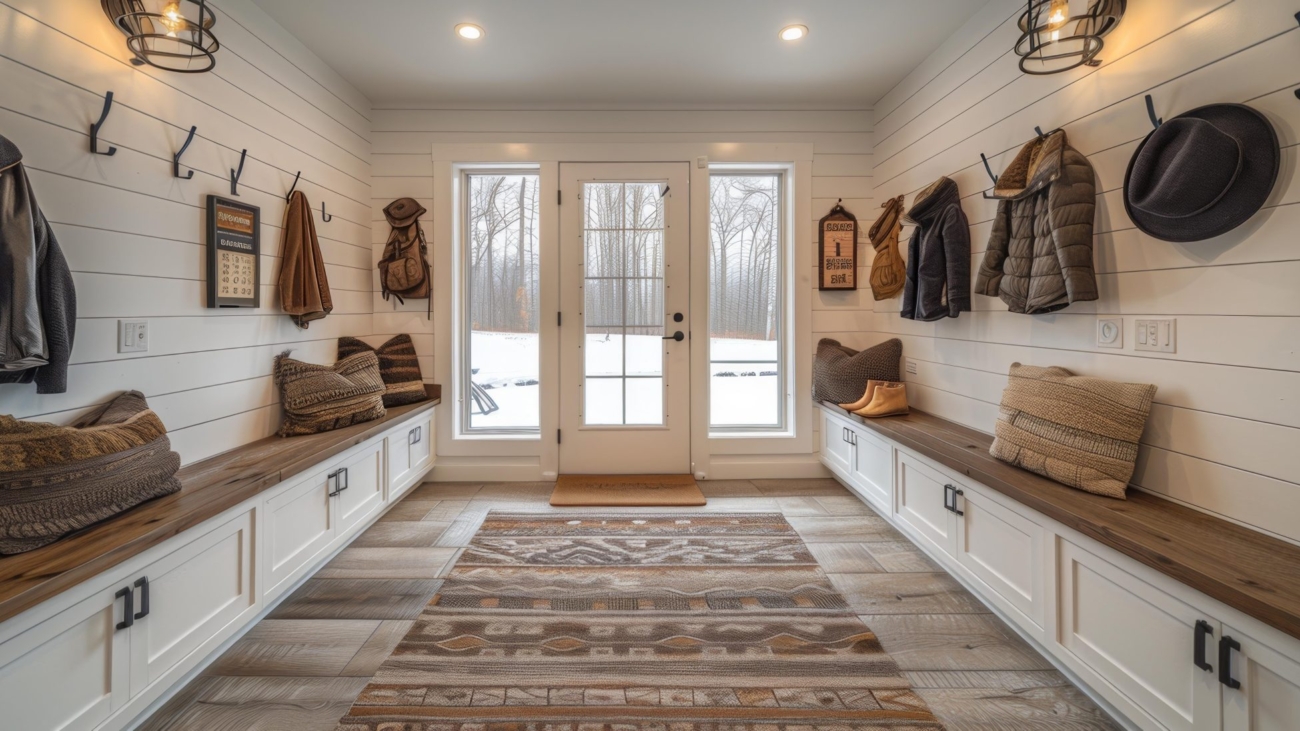
  • Durability: Tile, slate, or porcelain floors resist water and clean easily. Wipeable paints and robust finishes ensure walls and cabinetry stand up to daily use. Paneling or wainscoting adds protection while enhancing style.
  • Storage: Built-in benches with drawers below and cubbies above maximize vertical space. Closed cabinets hide clutter; open shelves offer quick access. Some mudrooms double as command centers with mail slots, calendars, and charging stations.
  • Lighting & Ventilation: Bright, natural light combined with well-placed LED fixtures makes the room welcoming. Adequate airflow prevents damp gear from getting musty.

Where Utility Meets Design

Function drives the mudroom, but style gives it staying power. Today’s mudrooms blend seamlessly with the home’s aesthetic. Natural tones—beige, gray, green, or blue—connect to the outdoors, while farmhouse-inspired wood benches or shiplap walls add warmth. Contrasts like crisp white cabinetry with black hardware, or patterned tile floors, create visual interest.

Even in practical layouts, the best mudrooms feel calm. They aren’t just landing zones—they reflect how the home functions and feels.

How Families Are Using Mudrooms Today

Custom lockers and cubbies tame the chaos of busy mornings. Pet owners incorporate wash stations and pull-out drawers for food and bowls. Hybrid mudroom-laundry rooms streamline chores. Even small spaces, like narrow hallways or converted closets, can function as “micro-mudrooms,” proving that good design is about intention, not size.

The Psychology of the Mudroom

The mudroom creates a pause—a transition between the outside world and home. Taking off shoes, hanging coats, and setting down keys signals the shift from motion to stillness. Children learn routines; adults regain a sense of order. This simple space quietly contributes to harmony, balance, and a calmer home.

Looking Ahead

Mudrooms continue to evolve with technology, sustainability, and flexibility. Built-in charging drawers, smart locks, modular storage, reclaimed materials, and low-VOC finishes reflect modern priorities. Movable partitions and adaptable shelving allow the space to grow with families. In larger homes, dual mudrooms are becoming common for multi-generational households or dual-entry designs.

The mudroom isn’t a passing trend—it’s a permanent feature of thoughtful, modern living.

Conclusion: The Quiet Hero of the Home

The mudroom keeps the chaos of daily life in check. It absorbs dirt, gear, and clutter, giving the rest of the home a chance to remain calm, clean, and comfortable. It’s a lifestyle statement: a space designed for the way we actually live.

Whether you have a busy family, pets, or just want a more organized entryway, a well-designed mudroom transforms how your home looks—and how it feels. It’s the subtle upgrade you’ll appreciate every single day, long after the remodel is complete.

Every detail—from durable flooring to custom cabinetry—works together to simplify routines, create order, and make daily life feel a little more manageable.

Built to Endure: Smart Design Tips for Homes That Handle Everyday Traffic

Designing for Real Life: Creating Homes That Last and Thrive

Designing a home for real life goes far beyond choosing materials that simply “look” durable. True longevity comes from understanding how your household moves, interacts, and uses each space day after day. It’s about knowing where messes tend to appear, how storage is truly utilized, and which finishes will endure the constant wear of real life. The most successful spaces are those that can take a beating, clean up easily, and still look effortlessly composed—even in the midst of chaos.

At Sebring Design Build, we know that beauty and functionality are not mutually exclusive. A well-designed home is one that balances both seamlessly. Whether it’s a kitchen that doubles as a homework hub, a mudroom that keeps clutter contained, or a bathroom built to withstand constant humidity, thoughtful design ensures every high-use space performs beautifully for years.

In this guide, we’ll explore how to select the right materials, layouts, and finishes for your busiest rooms. When design is built for real life, your home not only looks stunning—it works better, feels better, and truly lives better.

1. Begin With Function

Every enduring, high-traffic design begins with a deep understanding of how the space will be used. Before selecting colors, finishes, or fixtures, consider the rhythms of daily life. How many people pass through the room each day? Are children or pets part of the household? Is the space frequently exposed to water, dirt, or heavy use? Does it serve multiple purposes—like cooking, homework, and socializing?

Designing with function first ensures that the space supports your lifestyle rather than working against it. When function drives decisions, everything else—materials, storage, traffic flow—aligns naturally. Durable design isn’t just about choosing tough surfaces; it’s about thoughtful planning that anticipates real-world wear and tear over the long term.

2. The Kitchen: The Heart and Workhorse of Your Home

The kitchen is more than a place to cook—it’s the central hub of modern life. Families gather around the island, kids tackle homework at counters, friends congregate during parties, and countless daily activities unfold alongside meal prep. With all this traffic, spills, and scrapes, the kitchen must be both beautiful and resilient.

Countertops need to endure daily life while maintaining elegance. Quartz is an exceptional choice: non-porous, stain-resistant, and nearly maintenance-free, it mimics the beauty of natural stone while offering superior durability. Granite also performs well, offering heat resistance and a timeless aesthetic, though it requires periodic sealing to maintain its pristine appearance. Both materials provide the toughness needed in a hardworking kitchen without compromising style.

Cabinetry is another critical factor. Everyday use—opening drawers, reaching for pots, cleaning spills—can quickly wear down subpar cabinets. Solid wood or high-quality plywood construction ensures long-lasting durability. Soft-close hinges and drawer slides further extend the life of cabinetry, while high-quality paint or laminate finishes resist chips and scratches. Selecting medium or darker tones can also help hide everyday marks, keeping your kitchen looking polished even under heavy use.

Flooring must handle moisture, heat, and constant foot traffic. Luxury vinyl plank (LVP) is a top choice for busy kitchens: waterproof, resilient, and available in beautiful wood or stone-look finishes. Porcelain tile remains a classic, with unmatched scratch resistance and easy maintenance, though it can feel harder underfoot. Engineered hardwood provides the warmth of wood with improved stability in humid conditions, offering a practical balance.

Layout is equally important. Efficient workflows—like a functional work triangle connecting the sink, stove, and refrigerator—minimize wear and reduce clutter. Wide walkways, deep drawers, and strategically placed landing zones streamline daily activities and protect surfaces. When the kitchen flows intuitively, it not only makes life easier—it helps the space remain in excellent condition for years.

3. The Mudroom: The Unsung Hero

Few spaces experience as much wear and tear as the mudroom. Serving as the frontline between the outdoors and the home, it collects rain-soaked coats, muddy boots, gym bags, and backpacks. A well-designed mudroom contains the mess, prevents chaos from spreading, and remains functional through the busiest mornings.

Flooring is paramount. Porcelain tile is ideal for high-traffic, moisture-prone areas: durable, easy to clean, and stain-resistant. Textured ceramic tile offers extra traction when wet, while luxury vinyl tile (LVT) provides warmth and resilience. Natural stone can be striking but demands regular sealing to remain practical.

Storage is essential to keeping a mudroom functional. Built-in cubbies or lockers give each family member a dedicated space for shoes, coats, and gear. A sturdy bench with hidden storage adds convenience for dressing and undressing while keeping clutter out of sight. Open hooks and shelving make everyday routines effortless, even during the busiest moments.

Finishes should endure constant use. Satin or semi-gloss paint allows easy cleaning, while durable trim resists scuffs and knocks. Darker flooring or patterned tiles help camouflage dirt between cleanings, and washable rugs or runners protect surfaces while adding warmth and texture.

Lighting and ventilation enhance usability. Bright overhead lights illuminate the space for spotting messes, while natural light or a small window adds freshness. Adequate airflow prevents dampness, ensuring that coats, shoes, and gym gear dry quickly without lingering odors.

4. The Bathroom: Built to Withstand Humidity and Use

Bathrooms endure constant moisture and frequent use. Choosing materials and layouts that resist water damage, mold, and daily wear ensures long-term durability.

Countertops: Quartz shines again for bathrooms. Its non-porous surface makes it resistant to water and stains, perfect for vanities and frequently splashed areas. Solid-surface materials like Corian offer seamless edges and easy repair, providing both practicality and elegance.

Walls and flooring: Porcelain tile reigns supreme, offering waterproof durability and timeless beauty. Ceramic tile works well on walls or in lower-traffic areas, but porcelain’s density provides superior longevity. High-quality grout, preferably epoxy, prevents moisture penetration and inhibits mold growth.

Cabinetry: Plywood outperforms MDF in humid conditions, resisting warping and extending the life of your cabinets. Laminates or veneer finishes add extra protection. Adequate ventilation—via a well-sized exhaust fan—is crucial to prevent mildew, warping, and long-term damage.

Fixtures: Choose materials designed to last. Solid brass or stainless steel resist corrosion far better than zinc alternatives. Spot-resistant and tarnish-proof finishes, like chrome, brushed nickel, matte black, or warm brass, maintain their elegance over time.

Layout: Smart zoning separates wet and dry areas, reducing moisture exposure where it isn’t needed. Curbless showers, wall-mounted vanities, and solid-surface pans improve usability while limiting maintenance. Functional planning ensures the bathroom remains both beautiful and practical for years.

5. Universal Design: Built for Every Stage of Life

True durability isn’t just about materials—it’s about adaptability. Universal design ensures that spaces are accessible, safe, and comfortable for everyone, regardless of age or mobility.

Features such as wider doorways, lever-style handles, slip-resistant flooring, built-in benches, handheld showerheads, and layered lighting improve usability while future-proofing your home. Accessibility need not compromise style; thoughtful design ensures that spaces remain both elegant and functional for decades.

6. Maintenance: The Unsung Key to Longevity

Even the most durable materials require care. Homes that age gracefully do so because their finishes, fixtures, and systems are easy to maintain.

  • Matte and satin surfaces hide fingerprints better than glossy ones.
  • Large-format tiles reduce grout lines and potential dirt buildup.
  • Quality hardware resists loosening, corrosion, and wear.
  • Adequate ventilation controls humidity, odors, and heat in bathrooms, kitchens, and mudrooms.
  • Washable paint and durable trim allow for effortless cleaning and touch-ups.

A home that’s easy to maintain stays beautiful far longer. Maintenance-friendly materials and systems save time, money, and stress over the long haul.

7. Timeless Style: Enduring Beauty That Works

Trends come and go, but classic design endures. When investing in durable finishes, pair them with timeless aesthetics: neutral palettes, warm woods, subtle tones, and simple lines that won’t feel dated. Clean, understated hardware and proportional elements allow a space to evolve gracefully over time.

Timeless design also simplifies upkeep. Neutral colors hide wear and coordinate easily with future updates, ensuring your home remains inviting and functional for years to come.

Bringing It All Together

A home built for real life isn’t perfect only on move-in day—it’s resilient, functional, and beautiful for decades. Kids track dirt, pets scratch floors, kitchens are constantly in use, and mudrooms see daily chaos. Designing with real life in mind embraces this reality, creating spaces that don’t just survive wear—they thrive under it.

When design is intentional, every choice—from flooring to countertops to cabinetry—supports your daily life. High-performance, timeless spaces reduce stress, simplify routines, and elevate the way you live.

At Sebring Design Build, we specialize in creating homes that look stunning on day one and endure the tests of everyday life. Kitchens, mudrooms, bathrooms, and high-traffic spaces are designed with longevity, functionality, and beauty in mind. Whether updating one space or remodeling an entire home, our team guides you toward choices that blend style, practicality, and lasting value.

Your home should not only look amazing—it should work brilliantly for every stage of life. Start designing a home that lives as well as it looks. Schedule your design consultation today, and let’s create a space built not just for now, but for every chapter to come.

Smart Storage Starts with Design: Built-In Solutions That Truly Fit

Designed Storage: The Secret Ingredient for a Functional, Beautiful Home

When people think about remodeling, they often imagine finishes first—the kitchen countertops, the bathroom tile, the living room paint color. But one of the most transformative elements of a remodel, the one that can make a home feel organized instead of chaotic, is often overlooked until clutter takes over: storage.

Too often, storage is handled reactively. Shoes pile up in the mudroom, so a row of hooks appears. Kitchen counters become cluttered, so a rolling cart is added. The living room overflows with toys and electronics, so bins are bought from a big-box store. These quick fixes may help temporarily, but they rarely address the root problem—and they can create new issues: crowded, disjointed, or unfinished spaces.

Intentional storage design solves this problem. Rather than tacking on extra shelves or bins, storage should be planned, built, and seamlessly integrated into your remodel. Thoughtful storage doesn’t feel “extra”—it becomes part of the home’s foundation. Let’s explore why built-in solutions always outperform add-ons, and how they can transform mudrooms, kitchens, living rooms, and beyond.

The Problem with Add-On Storage

Quick storage fixes are tempting—they’re cheap, easy, and promise immediate relief. But they rarely consider the bigger picture.

In a mudroom, a freestanding bench or wire racks might temporarily hold shoes, but the bench may be too shallow for boots, and the racks may clash with your flooring or trim. In the kitchen, a rolling metal shelf can break the flow of cabinetry and crowd the workspace. Open shelving may look stylish online, but in a busy household, it often becomes a dust magnet where mismatched mugs compete for attention.

The same issues show up in living rooms, bedrooms, and bathrooms. Off-the-shelf storage is one-size-fits-all, while homes—and families—are anything but standard. What works for one household may fail for another, and temporary solutions rarely feel permanent. Over time, add-on storage starts to look like what it is: a workaround.

Mudrooms: Order Where Chaos Lives

Mudrooms are the front lines of the home. They collect shoes, coats, backpacks, groceries, sports gear—even the dog’s leash. Without a plan, chaos quickly takes over.

Designed mudroom storage changes everything. Built-in cubbies give each family member a defined space, from hooks and shelves to bench seating. Backpacks, coats, and shoes all have a home, and routines develop naturally. Higher hooks or enclosed cabinets keep adult items tucked away. Even small details, like a bench with hidden shoe storage, reduce trip hazards. Overhead cabinets can store seasonal gear out of sight. With intentional design, mudrooms go from cluttered to calm.

Kitchens: Where Function Meets Flow

Kitchens are both the most used and most complex rooms in a home. They need to store cookware, small appliances, food, and cleaning supplies—all while keeping counters clear and functional.

Designed kitchen storage goes far beyond more cabinets. Deep drawers for mixing bowls, vertical slots for sheet pans, and specialized cabinets for mixers streamline baking. Pull-out spice racks, knife drawers, and appliance garages keep counters free while keeping tools accessible. Corner cabinets can become practical with lazy Susans or pull-out shelves.

The result is a kitchen where everything has a place, nothing feels crowded, and workflow flows naturally. No rolling carts, no mismatched shelving—just a space that works for real life.

Living Rooms: Storage That Elevates, Not Clutters

Living rooms are meant for relaxation, but clutter often takes over. Remote controls, books, toys, and electronics can make the space feel chaotic.

Built-in storage transforms these spaces. Shelving around a fireplace or TV provides a natural focal point while offering hidden cabinets for electronics and open shelves for books or décor. Window seats add charm while offering hidden storage. Even built-in bars or display cabinets organize glassware and collectibles. Thoughtful storage blends into the architecture, elevating the room instead of competing with it.

Bedrooms: Storage That Creates Calm

Bedrooms should feel like retreats, but clutter can quickly ruin the mood. Overflowing dressers, piles of clothes, and crowded nightstands make the room feel stressful.

Custom storage changes the experience. Closets use every inch, from floor to ceiling. Drawers replace bins, shelves hold shoes, and rods are positioned for efficiency. Headboards with built-in shelving eliminate bulky nightstands, and window seats provide hidden storage for linens or seasonal items. Designed storage creates calm, turning a bedroom into the sanctuary it should be.

Bathrooms: Small Rooms, Smart Solutions

Bathrooms are small but demand smart storage. Towels, toiletries, cleaning supplies, and medications all need homes. Freestanding shelves often feel temporary and cluttered.

Built-in solutions make a difference. Deep vanity drawers hold hair tools, medicine cabinets provide essentials at eye level, recessed shower niches organize soaps and shampoos, and tall linen cabinets keep towels accessible yet discreet. Even in a compact space, storage can create a spa-like, uncluttered atmosphere.

Basements: From Dumping Ground to Destination

Basements often become storage dumps, but designed storage can turn them into functional, enjoyable spaces.

Imagine wall-to-wall cabinetry hiding seasonal décor, hobby supplies, or board games. Under-stair drawers make use of wasted space. A home gym can benefit from custom shelving for equipment, and craft rooms can have built-in worktables with drawers for supplies. Designed storage transforms basements from chaotic dumping grounds into versatile destinations.

Why Designed Storage Matters

Across every room, the principle is the same: built-in storage is more than organization—it adds value.

  • Integrated Design: Built-ins match your home’s architecture, creating a polished, intentional look.
  • Efficiency: They make the most of nooks, corners, and otherwise wasted space.
  • Custom Fit: Storage is tailored to your family’s routines and lifestyle.
  • Stress Reduction: Clutter disappears when everything has a place, making life calmer and more enjoyable.

Final Thoughts

Storage isn’t just about shelves or cabinets—it’s about how you live. A mudroom with defined cubbies, a kitchen with tailored drawers and pantries, a bathroom with organized, hidden storage—these solutions make your home functional, beautiful, and peaceful.

Temporary fixes might hold you over for a season, but built-in storage delivers lasting satisfaction. It turns awkward corners into assets, wasted space into opportunities, and everyday routines into something effortless.

When storage is designed from the start, your remodel doesn’t just look complete—it works beautifully for the way you live. Built-in solutions make every room feel finished and every day run more smoothly. Your home becomes not just a place to live, but a space that supports your life.

Serene Spaces: How Smart Layouts and Lighting Bring Calm to Your Home

Designing for Everyday Calm: How Layout and Lighting Transform Your Home and Your Mind

Most people can sense the difference between a room that feels peaceful and one that feels overwhelming, even if they cannot articulate why. You step inside, and something shifts in your body. Shoulders soften, breath deepens, and an almost imperceptible feeling of ease settles over you. The space feels intuitive, like it understands you. That sensation is not a matter of chance or personal temperament—it is the result of intentional design choices that shape your emotional experience every single day.

In today’s fast-paced world, the home has become more important than ever. It is where you recover from demanding workdays, find balance after hectic mornings, and carve out moments of quiet amid busy schedules. Yet, many homes unintentionally add stress instead of alleviating it. Rooms that are cluttered, dimly lit, cramped, or poorly arranged can keep your nervous system on high alert long after you step through the door.

Calm design flips that script. By prioritizing thoughtful layout and lighting, you can transform your home into an environment that supports your well-being rather than competing with it. Flow, visibility, natural light, and layered illumination all influence how your nervous system responds to a space. When these elements are in harmony, they create a home that feels grounded, supportive, and truly restorative.

At Sebring Design Build, we believe that good design should enhance life, not just aesthetics. This article explores how layout and lighting reduce stress, why they matter, and how intentional changes—even subtle ones—can dramatically transform the way you experience your home.

Why Calm Design Matters More Than Ever

Modern life rarely slows down. People move from task to task without pause. Phones buzz, deadlines loom, and even leisure time is filled with obligations. As a result, many of us exist in a constant, low-grade state of tension without fully realizing it. When that stress comes home with you, even minor irritations can feel amplified.

Research consistently shows that physical environments affect mental health. Clutter contributes to anxiety and elevated cortisol levels. Dim or inconsistent lighting can disrupt sleep patterns and sap energy. Confusing layouts turn everyday tasks into small, repeated struggles. These factors often operate quietly in the background, yet their impact on mood and overall well-being is very real.

A calm home works in the opposite direction. It allows your body to relax. It smooths daily transitions. It frees mental space and creates pockets of clarity in the midst of life’s chaos. By intentionally designing your home with calm in mind, you can reclaim moments of ease that influence your entire day.

Layout: The Invisible Force That Shapes Emotion

Many people view layout as purely practical: how furniture fits, how far you must walk across a room, or how pieces relate to one another. But layout is emotional as well. It guides the eyes, the body, and the mind. A thoughtfully designed layout lowers stress by creating order, predictability, and comfort.

Flow is the first aspect of layout that impacts mood. Flow is the ease with which you move from one area to another. When pathways are clear and transitions logical, your body relaxes naturally. When furniture blocks movement or rooms require zigzagging to navigate, micro-moments of tension accumulate. Over time, these small stresses shape the overall feeling of a home. A kitchen arranged in an intuitive work triangle or a living room with a clear path allows you to move freely and feel more at ease.

Zoning adds clarity and emotional calm. In a well-zoned home, each area communicates its purpose: a workspace signals focus, a reading nook invites quiet, a dining area encourages connection, and a drop zone catches clutter before it spreads. This intentional separation allows your mind to shift gears more easily and reduces the feeling of being pulled in multiple directions at once.

Visual noise is another hidden stressor. Our brains process everything in our field of vision, and when shelves overflow, countertops hold random items, or patterns clash, mental effort rises. Reducing visual clutter is not just about aesthetics—it directly lowers cognitive load, helping a room feel calmer even without major renovations.

Comfort and reach further influence your emotional experience. Furniture that fits your body, storage at natural heights, and pathways that require minimal effort all create a sense of predictability and safety. Conversely, spaces that demand awkward movements, constant bending, or navigating tight spots add unconscious tension. A comfortable layout allows the body—and therefore the mind—to relax.

Together, these layout elements—flow, zoning, visual clarity, and comfort—create a foundation for emotional stability. A home designed for ease feels intuitive to live in, almost as if it anticipates your needs.

Lighting: The Silent Mood Influencer

Lighting has the power to transform a space immediately. It influences both physiology and emotion. Harsh light can make a room feel tense, while dim lighting at the wrong time can sap energy. Balanced, layered lighting supports your natural rhythms and enhances how you experience each room throughout the day.

Natural light is the backbone of calm design. Sunlight helps regulate sleep cycles, boosts serotonin production, and influences alertness. Rooms with ample daylight feel uplifting, spacious, and energizing. Even homes with limited sunlight can improve brightness with sheer window treatments, reflective surfaces, and lighter paint colors. Daylight-mimicking bulbs can supplement natural light, supporting healthy rhythms indoors.

Layered lighting adds depth and flexibility. No single fixture can meet every need. Ambient light sets overall brightness, task lighting focuses on work surfaces, accent lighting highlights art or architectural features, and decorative lighting adds personality. These layers balance the eye’s perception, reducing strain and enhancing comfort.

Color temperature also plays a psychological role. Warm lighting soothes the nervous system, making bedrooms, living areas, and dining rooms feel inviting and restful. Cooler tones promote focus and clarity, ideal for kitchens, offices, or hobby spaces. Paired with dimmers, lighting becomes an emotional cue—bright and energizing when needed, soft and calming in the evening.

By thoughtfully integrating natural light, layered fixtures, and adjustable tones, your home becomes a dynamic environment that supports mood and rhythm effortlessly.

When Layout and Lighting Work in Harmony

The most profound effects occur when layout and lighting function as a system. A bedroom with clear pathways and warm low light becomes a sanctuary. A kitchen with efficient flow and targeted task lighting makes mornings smoother. A living room arranged for conversation, complemented by layered lighting, becomes a grounding space for family connection.

Layout sets the physical tone, and lighting sets the emotional tone. Together, they create spaces that feel intuitive, relaxing, and supportive—without drawing attention to the design choices themselves.

Small Changes, Big Impact

Creating calm doesn’t always require a full renovation. Small adjustments often yield significant improvements:

  • Remove or reposition oversized furniture to open pathways.
  • Rearrange seating to enhance flow and social interaction.
  • Add a lamp or replace harsh bulbs with warmer tones.
  • Use mirrors to reflect natural light into dim areas.
  • Reduce visual clutter on shelves and countertops.

Intentional, small changes can shift the emotional energy of a space dramatically, proving that calm design is about thoughtfulness, not perfection.

How Intentional Design Creates Everyday Calm

A calm home is built, not accidental. Layout and lighting operate quietly in the background but shape your daily experience. They influence movement, focus, mood, and energy. When the home flows intuitively and lighting supports natural rhythms, stress eases, clarity emerges, and your environment begins to restore rather than drain.

Kitchens become manageable, bedrooms invite deep rest, and living spaces offer a true pause in the middle of life’s pace. These improvements are not purely aesthetic—they enhance how you live. Intentional design gives you a home that supports your emotional well-being and allows you to show up fully in your life.

At Sebring Design Build, we help homeowners create homes that reflect this philosophy. From layout to lighting, every choice is deliberate, ensuring spaces that nurture calm, clarity, and comfort. If you’re ready to transform your home into a sanctuary that supports your everyday life, our team is here to guide you. Together, we can create a space where calm isn’t just a feeling—it’s built into the way you live.

Open Flow, Personal Space: Designing Homes That Connect and Protect

For years, the open-concept floor plan has dominated modern home design. Celebrated for its light, flow, and sense of togetherness, it broke down the barriers between kitchens, dining areas, and living rooms. Families could cook, relax, and entertain in one connected space, and homes felt larger, brighter, and more social.

But as our lifestyles have evolved, so have our needs. The same open layouts that once felt liberating can now feel chaotic. Remote work, hybrid schedules, and juggling family activities all in one shared space have made homeowners crave a balance between connection and privacy. We still love the airiness and flow of open living—but we also need corners to focus, unwind, and enjoy a little quiet.

This balance is at the heart of Open Concept 2.0—an evolved approach to home design that keeps the spaciousness of open layouts while reintroducing subtle boundaries, acoustic control, and flexibility. It’s about creating homes that feel open and cohesive, yet functionally zoned and comfortable for real life.

The Evolution of Open Living

The original open-concept layout emerged as a reaction to the closed-off, compartmentalized homes of the past. Removing walls between kitchens, dining rooms, and living spaces created homes that felt fresh, connected, and family-friendly. It reflected a cultural shift toward togetherness: parents could cook while keeping an eye on the kids, and guests could mingle freely.

However, over time, the downsides became clear. Noise from a blender or television traveled throughout the house. A messy countertop was visible from every angle. Heating and cooling large open areas proved inefficient, and anyone needing quiet had to retreat to a bedroom. The once-celebrated openness began to feel too exposed.

Rather than abandoning the concept, designers began refining it. Open Concept 2.0 preserves visual connection while restoring balance—creating homes that feel unified, but not uniform. The result is a design philosophy that embraces both community and calm.

Redefining “Open”: Principles of Open Concept 2.0

At its core, Open Concept 2.0 is about fostering connection without sacrificing comfort or function. It follows several key principles:

  • Connection Through Sightlines: Open doesn’t mean wall-less. Visual cues—aligned design elements, open doorways, and consistent materials—maintain a sense of unity while keeping spaces distinct.

  • Defined Zones Without Rigid Partitions: Subtle architectural elements like half walls, built-ins, ceiling variations, and flooring transitions create purpose for each area while preserving flow.

  • Flexible Privacy: Sliding panels, pocket doors, or movable screens allow spaces to open or close depending on the moment.

  • Acoustic and Visual Balance: Soft furnishings, layered textures, and strategic furniture placement help manage sound and maintain calm.

These principles create smarter, more livable open spaces—spaces that adapt to modern life instead of dictating it.

Designing Open Spaces That Feel Defined

One challenge of open layouts is giving each area identity. Without visual or tactile cues, a large space can feel undefined and overwhelming. Subtle, intentional design moves can signal transitions while keeping everything cohesive.

  • Ceiling as a Divider: Varying ceiling height or materials can indicate transitions. A coffered ceiling over a dining area feels intimate, while smooth drywall in the living room maintains visual flow. Recessed or pendant lighting further reinforces zones.

  • Flooring Changes: Shifting from tile in the kitchen to hardwood in the living room signals function without walls. Area rugs anchor furniture and subtly define areas. Even changing the direction of planks or tiles adds boundary while keeping unity.

  • Furniture as Architecture: In open spaces, furniture defines space. A sofa turned away from the kitchen, backed by a low shelving unit, can delineate a living area. A kitchen island separates cooking from dining while keeping communication open.

Lighting and Materials: Defining Through Design

Lighting and material choices help shape the atmosphere and reinforce boundaries:

  • Layered Lighting: Ambient lighting ties spaces together; task lighting highlights function; accent lighting frames areas and creates mood transitions.

  • Varied Materials and Finishes: Mixing textures—matte paint in a lounge, glossy tile in the kitchen—adds visual rhythm. Subtle differences in wood, stone, or fabrics create identity while maintaining cohesion.

  • Small Details Matter: Wainscoting, wall treatments, or subtle trims signal purpose and help people intuitively understand how to use a space.

Partial Dividers and Flexible Boundaries

Partial dividers allow a sense of enclosure without sacrificing openness. Half walls, glass partitions, or steel-framed panels define areas while letting light through and softening sound.

Flexibility is key. Movable dividers—pocket doors, sliding panels, or curtains—allow spaces to adapt to changing needs. Open the layout for gatherings, close it for quiet work. This adaptability makes Open Concept 2.0 both practical and forward-thinking.

Built-Ins That Shape Space

Built-ins help organize open plans naturally. Banquettes can define dining zones, while custom bookcases or media walls separate living areas without disrupting flow. These elements bring order and purpose, making spaces functional and inviting.

Maintaining Cohesion Across Zones

While defining spaces is important, visual unity matters just as much. Consistency in materials, color palettes, and detailing ties zones together. Repeating accents, aligned furniture, and thoughtful sightlines create harmony and intentionality.

The Overlooked Factor: Acoustics

Noise can make an open home feel chaotic. Layering soft furnishings, rugs, curtains, and upholstered furniture absorbs sound. Acoustic ceiling panels, wood slats, and even plants help diffuse noise while adding warmth.

For remote work or hybrid learning, good acoustics are essential. Thoughtful sound management ensures an open home still feels calm and private.

Adapting to Modern Lifestyles: The Home Office

Remote work has changed home design. Open Concept 2.0 integrates micro-offices—desk nooks, workstation cabinets, or under-stair setups—that can close off when not in use. Sliding glass partitions or acoustic panels transform parts of open areas into private workspaces, maintaining both openness and functionality.

Real-World Example

Picture an open kitchen-dining-living space. Initially, it feels freeing—but clutter, noise, and lack of definition create chaos.

An Open Concept 2.0 redesign could include:

  • A slatted wood divider between kitchen and dining

  • A two-sided fireplace anchoring both dining and living areas

  • Layered lighting and area rugs defining zones

  • A built-in banquette encouraging intimate meals

The space remains airy and connected, but every area now has purpose and identity.

Tailoring Open Concept 2.0 to Your Style

Open Concept 2.0 works across design styles:

  • Modern farmhouse: Half-walls or wood beams define spaces

  • Transitional: Paneled dividers balance traditional and modern

  • Contemporary: Clean lines and minimalist partitions maintain flow

  • Industrial: Steel-framed glass adds urban edge

  • Traditional: Archways, trims, and ceiling treatments separate spaces subtly

The key is respecting architectural language while creatively defining areas.

The Future of Open Living

Open Concept 2.0 isn’t about abandoning openness—it’s about evolving it. Homes today need to look good and work for real life.

This approach delivers flexibility, calm, and comfort. Families can gather, work, and relax without constantly colliding. Light, flow, and connection remain, but noise, clutter, and lack of boundaries no longer dominate.

The most successful homes aren’t just open—they’re intelligently open.

Final Thoughts

The open floor plan changed how we live. Open Concept 2.0 is refining it—creating spaces that breathe, connect, and offer quiet retreats.

A well-designed open home invites togetherness while respecting the need for privacy. It adapts to modern life without sacrificing style or comfort.

If you’re planning a remodel or custom build, consider working with a team that understands how to create spaces that flow and function. Homes should fit the rhythm of your life—bright yet balanced, open yet defined, connected yet calm.

Because the next generation of open living isn’t about seeing everything—it’s about feeling at home everywhere.

Mastering the Glow: A Modern Guide to Layered Lighting in Every Remodel

Layered Lighting: How to Make Every Room Glow

Most homes rely on a single ceiling fixture, often mounted in the center of the room. While it technically illuminates the space, that one light can flatten everything. It creates glare beneath the bulb, casts shadows in corners, and gives the room a harsh, unflattering feel—like a photo taken with a camera flash: bright enough to see, but not easy on the eyes.

Layered lighting solves this problem by combining multiple sources at different heights, intensities, and locations. Instead of one harsh wash of light, a room gains depth and dimension. Some areas feel bright and energized, while others glow softly. Architectural features, textures, and finishes stand out, and shadows become part of the design rather than a nuisance. The result is a space that not only looks better but works better for everyday life.

Lighting layers matter because they shape how people experience a room. With the right approach, a space can feel vibrant in the morning, practical in the afternoon, and cozy at night. Good lighting makes daily tasks easier, highlights the design details that make a remodel special, and sets moods that match real living. It is both functional and emotional, and mastering it elevates any home.

Ambient Lighting: The Foundation

Ambient light is the base layer—it sets the overall tone and ensures the space is comfortably lit. This is not about highlighting anything in particular; it’s about creating an even glow that makes a room livable.

Common sources include ceiling-mounted fixtures, recessed lights, track lighting, and wall sconces that bounce light across the room. In traditional spaces, a chandelier may serve as the central source, while contemporary designs often rely on grids of recessed LEDs.

Coverage matters. A single fixture creates shadows and uneven brightness, while multiple sources or distributed lighting ensures every corner is lit. Dimmers add flexibility, letting homeowners shift from bright functionality to soft evening ambiance.

Task Lighting: Focused Function

Task lighting is about precision—illuminating the spots where work happens. In kitchens, under-cabinet LEDs brighten counters, preventing shadows while chopping or prepping. Pendants over islands or sinks focus light exactly where it’s needed. In bathrooms, vertical sconces flanking mirrors eliminate harsh shadows on the face. Reading lamps and desk lights in living rooms and offices make detailed tasks easier and safer.

Placement is crucial. Vanity lights only above a mirror can create unflattering shadows, while flanking fixtures provide balance. Pendant height over an island affects both function and comfort. Designing task lighting around real-life use ensures it is truly helpful, not just decorative.

Accent Lighting: Highlight and Drama

Accent lighting is where artistry comes in. It draws attention to features, adds depth, and creates visual interest. Spotlights on artwork, LED strips in glass cabinets, or uplights behind furniture emphasize textures, colors, and design details.

For accent lighting to be effective, it needs contrast—typically three times brighter than the surrounding light. Restraint is key; highlight a few focal points, not every surface. A fireplace, sculpture, textured wall, or freestanding tub can all benefit from a well-placed accent, turning a good remodel into something memorable.

Natural Light: The Ultimate Layer

Daylight is the wild card in any lighting plan. It shifts throughout the day, connects indoor and outdoor spaces, and adds unmatched warmth. Window placement, skylights, and clerestory windows are critical to harness natural light. Reflective surfaces, mirrors, and light finishes help it reach further into the room, while sheer shades or layered drapery control glare and privacy.

Designing with natural light in mind not only enhances aesthetics but also improves energy efficiency. A well-placed kitchen window, for example, can reduce the need for artificial lighting during the day, keeping the space fresh and inviting.

Combining Layers: How It All Works

The best lighting plans blend ambient, task, accent, and natural light into a cohesive whole. Think of it as a pyramid: ambient light forms the base, task lighting provides function, accent adds artistry, and daylight crowns the structure. Each layer plays a role, but together they transform both the look and feel of a home.

Room-specific strategies vary:

  • Kitchens: Recessed ambient lights, under-cabinet task strips, accent lights on backsplashes or cabinetry, skylights for daylight.
  • Bathrooms: Vanity task lights, ambient ceiling fixtures, accent spotlights over a tub or shower.
  • Living Rooms: Recessed lights, chandeliers, floor and table lamps, accent fixtures for artwork or architectural details.
  • Bedrooms: Ambient ceiling lights, bedside lamps for reading, subtle accent lighting, natural light for daytime.
  • Home Offices: Task lighting is critical to reduce screen glare, supplemented by ambient and accent layers. Daylight improves productivity and mood.

Technical Details Matter

  • Color Temperature: Warm light (2700K–3000K) feels cozy; neutral (3500K–4000K) works well for kitchens and offices; daylight (5000K–6500K) mimics sunlight but can feel stark if overused.
  • Brightness: Measured in lumens. Living rooms need 10–20 per sq. ft., kitchens 30–40, and bathrooms 70–80 near mirrors. Dimmers provide flexible brightness.
  • LEDs & Smart Lighting: Energy-efficient, long-lasting, and versatile. Smart systems let homeowners control layers, schedules, and scenes, adding convenience and modern appeal.

Common Mistakes

  • Overlighting, creating glare.
  • Ignoring shadows that interfere with tasks.
  • Relying on only one type of light, making rooms flat.
  • Choosing the wrong bulb temperature, producing sterile or harsh effects.
  • Skipping dimmers, losing flexibility in brightness.

Final Thoughts

Lighting is more than utility—it shapes mood, function, and perception. Layered lighting transforms spaces from merely lit to beautifully illuminated. It enhances finishes, textures, colors, and the overall design, making a remodel feel intentional and inviting.

A well-planned lighting scheme doesn’t draw attention to itself. Instead, it highlights everything else, turning a home into a place that feels dynamic, comfortable, and alive at every hour.