
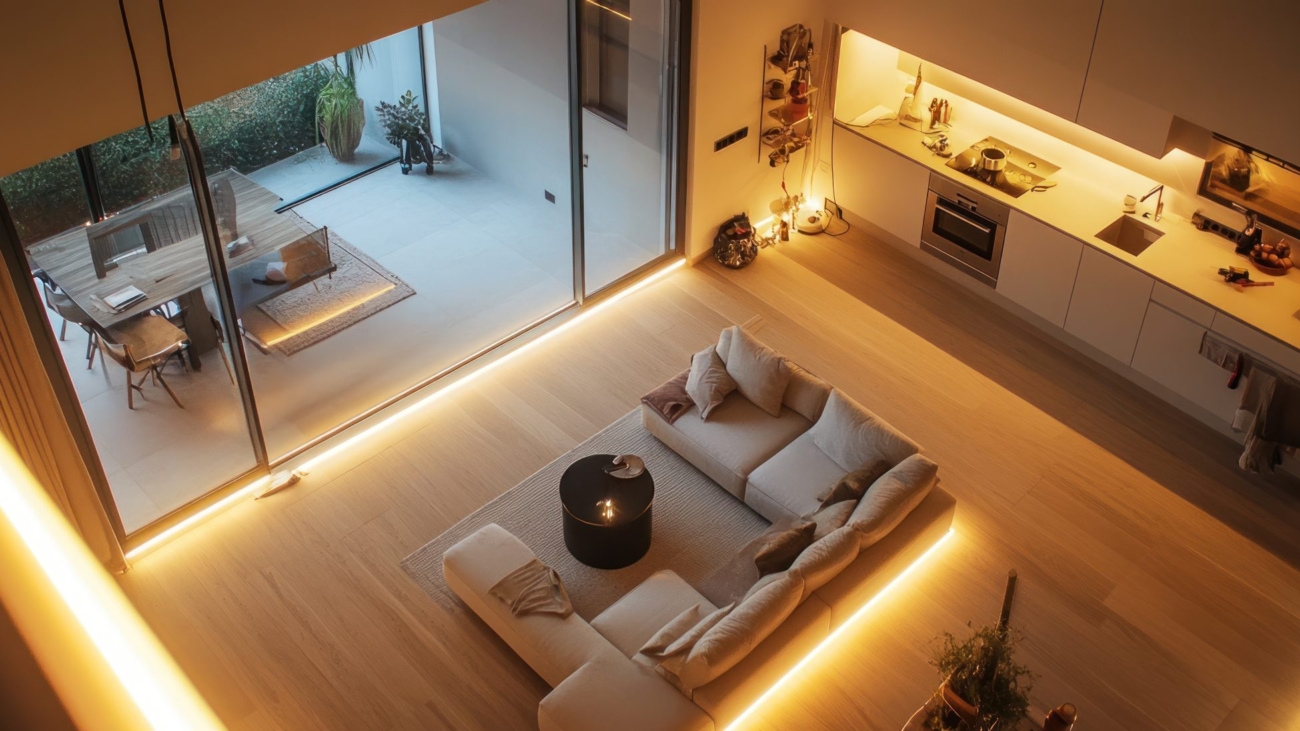
Designing for Everyday Calm: How Layout and Lighting Transform Your Home and Your Mind
Most people can sense the difference between a room that feels peaceful and one that feels overwhelming, even if they cannot articulate why. You step inside, and something shifts in your body. Shoulders soften, breath deepens, and an almost imperceptible feeling of ease settles over you. The space feels intuitive, like it understands you. That sensation is not a matter of chance or personal temperament—it is the result of intentional design choices that shape your emotional experience every single day.
In today’s fast-paced world, the home has become more important than ever. It is where you recover from demanding workdays, find balance after hectic mornings, and carve out moments of quiet amid busy schedules. Yet, many homes unintentionally add stress instead of alleviating it. Rooms that are cluttered, dimly lit, cramped, or poorly arranged can keep your nervous system on high alert long after you step through the door.
Calm design flips that script. By prioritizing thoughtful layout and lighting, you can transform your home into an environment that supports your well-being rather than competing with it. Flow, visibility, natural light, and layered illumination all influence how your nervous system responds to a space. When these elements are in harmony, they create a home that feels grounded, supportive, and truly restorative.
At Sebring Design Build, we believe that good design should enhance life, not just aesthetics. This article explores how layout and lighting reduce stress, why they matter, and how intentional changes—even subtle ones—can dramatically transform the way you experience your home.
Why Calm Design Matters More Than Ever
Modern life rarely slows down. People move from task to task without pause. Phones buzz, deadlines loom, and even leisure time is filled with obligations. As a result, many of us exist in a constant, low-grade state of tension without fully realizing it. When that stress comes home with you, even minor irritations can feel amplified.
Research consistently shows that physical environments affect mental health. Clutter contributes to anxiety and elevated cortisol levels. Dim or inconsistent lighting can disrupt sleep patterns and sap energy. Confusing layouts turn everyday tasks into small, repeated struggles. These factors often operate quietly in the background, yet their impact on mood and overall well-being is very real.
A calm home works in the opposite direction. It allows your body to relax. It smooths daily transitions. It frees mental space and creates pockets of clarity in the midst of life’s chaos. By intentionally designing your home with calm in mind, you can reclaim moments of ease that influence your entire day.
Layout: The Invisible Force That Shapes Emotion
Many people view layout as purely practical: how furniture fits, how far you must walk across a room, or how pieces relate to one another. But layout is emotional as well. It guides the eyes, the body, and the mind. A thoughtfully designed layout lowers stress by creating order, predictability, and comfort.
Flow is the first aspect of layout that impacts mood. Flow is the ease with which you move from one area to another. When pathways are clear and transitions logical, your body relaxes naturally. When furniture blocks movement or rooms require zigzagging to navigate, micro-moments of tension accumulate. Over time, these small stresses shape the overall feeling of a home. A kitchen arranged in an intuitive work triangle or a living room with a clear path allows you to move freely and feel more at ease.
Zoning adds clarity and emotional calm. In a well-zoned home, each area communicates its purpose: a workspace signals focus, a reading nook invites quiet, a dining area encourages connection, and a drop zone catches clutter before it spreads. This intentional separation allows your mind to shift gears more easily and reduces the feeling of being pulled in multiple directions at once.
Visual noise is another hidden stressor. Our brains process everything in our field of vision, and when shelves overflow, countertops hold random items, or patterns clash, mental effort rises. Reducing visual clutter is not just about aesthetics—it directly lowers cognitive load, helping a room feel calmer even without major renovations.
Comfort and reach further influence your emotional experience. Furniture that fits your body, storage at natural heights, and pathways that require minimal effort all create a sense of predictability and safety. Conversely, spaces that demand awkward movements, constant bending, or navigating tight spots add unconscious tension. A comfortable layout allows the body—and therefore the mind—to relax.
Together, these layout elements—flow, zoning, visual clarity, and comfort—create a foundation for emotional stability. A home designed for ease feels intuitive to live in, almost as if it anticipates your needs.
Lighting: The Silent Mood Influencer
Lighting has the power to transform a space immediately. It influences both physiology and emotion. Harsh light can make a room feel tense, while dim lighting at the wrong time can sap energy. Balanced, layered lighting supports your natural rhythms and enhances how you experience each room throughout the day.
Natural light is the backbone of calm design. Sunlight helps regulate sleep cycles, boosts serotonin production, and influences alertness. Rooms with ample daylight feel uplifting, spacious, and energizing. Even homes with limited sunlight can improve brightness with sheer window treatments, reflective surfaces, and lighter paint colors. Daylight-mimicking bulbs can supplement natural light, supporting healthy rhythms indoors.
Layered lighting adds depth and flexibility. No single fixture can meet every need. Ambient light sets overall brightness, task lighting focuses on work surfaces, accent lighting highlights art or architectural features, and decorative lighting adds personality. These layers balance the eye’s perception, reducing strain and enhancing comfort.
Color temperature also plays a psychological role. Warm lighting soothes the nervous system, making bedrooms, living areas, and dining rooms feel inviting and restful. Cooler tones promote focus and clarity, ideal for kitchens, offices, or hobby spaces. Paired with dimmers, lighting becomes an emotional cue—bright and energizing when needed, soft and calming in the evening.
By thoughtfully integrating natural light, layered fixtures, and adjustable tones, your home becomes a dynamic environment that supports mood and rhythm effortlessly.
When Layout and Lighting Work in Harmony
The most profound effects occur when layout and lighting function as a system. A bedroom with clear pathways and warm low light becomes a sanctuary. A kitchen with efficient flow and targeted task lighting makes mornings smoother. A living room arranged for conversation, complemented by layered lighting, becomes a grounding space for family connection.
Layout sets the physical tone, and lighting sets the emotional tone. Together, they create spaces that feel intuitive, relaxing, and supportive—without drawing attention to the design choices themselves.
Small Changes, Big Impact
Creating calm doesn’t always require a full renovation. Small adjustments often yield significant improvements:
- Remove or reposition oversized furniture to open pathways.
- Rearrange seating to enhance flow and social interaction.
- Add a lamp or replace harsh bulbs with warmer tones.
- Use mirrors to reflect natural light into dim areas.
- Reduce visual clutter on shelves and countertops.
Intentional, small changes can shift the emotional energy of a space dramatically, proving that calm design is about thoughtfulness, not perfection.
How Intentional Design Creates Everyday Calm
A calm home is built, not accidental. Layout and lighting operate quietly in the background but shape your daily experience. They influence movement, focus, mood, and energy. When the home flows intuitively and lighting supports natural rhythms, stress eases, clarity emerges, and your environment begins to restore rather than drain.
Kitchens become manageable, bedrooms invite deep rest, and living spaces offer a true pause in the middle of life’s pace. These improvements are not purely aesthetic—they enhance how you live. Intentional design gives you a home that supports your emotional well-being and allows you to show up fully in your life.
At Sebring Design Build, we help homeowners create homes that reflect this philosophy. From layout to lighting, every choice is deliberate, ensuring spaces that nurture calm, clarity, and comfort. If you’re ready to transform your home into a sanctuary that supports your everyday life, our team is here to guide you. Together, we can create a space where calm isn’t just a feeling—it’s built into the way you live.