
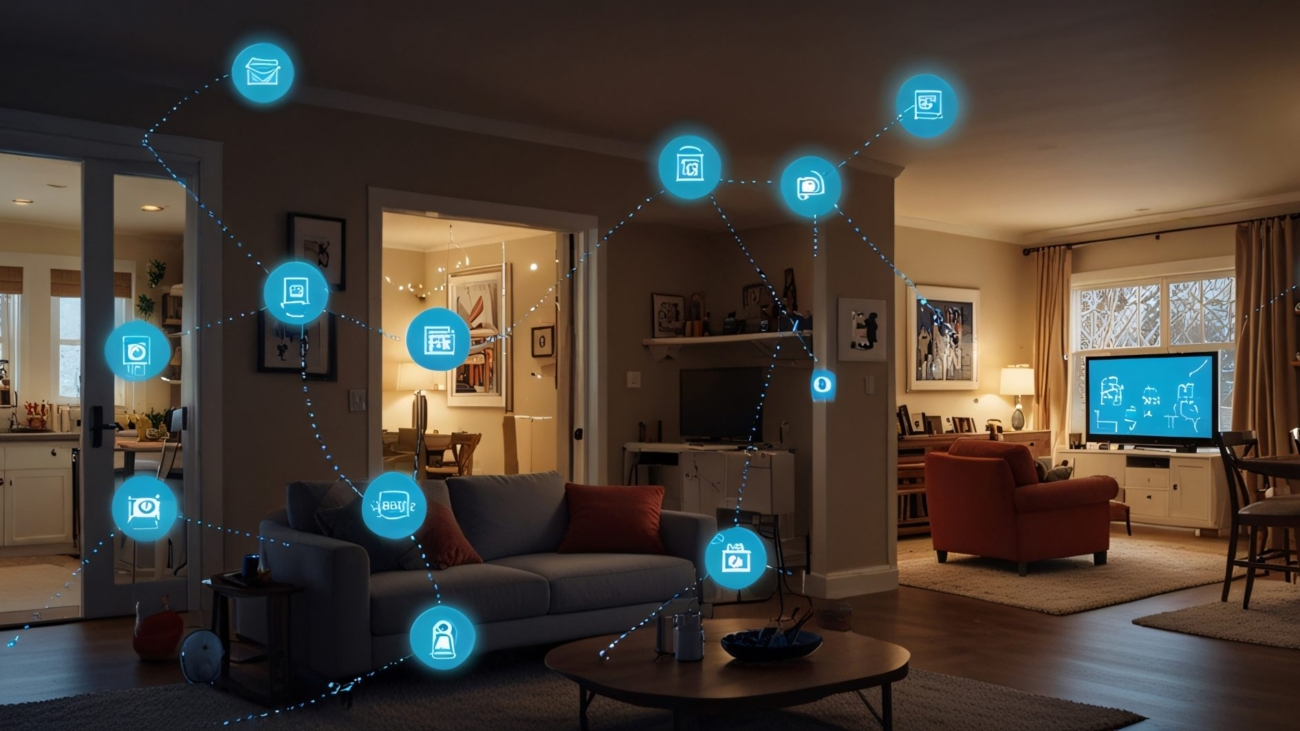
If you own a smart home device—or are thinking about getting one—you’ve probably seen alarming headlines about hacked cameras, voice assistants ordering things on their own, or baby monitors being compromised. These stories are eye-catching, but they often exaggerate the risks or misunderstand how these systems really work.
Smart home hacking isn’t nearly as common—or as easy—as the headlines suggest. That said, it’s still important to take security seriously. Let’s debunk some common myths and focus on practical steps you can take to keep your devices safe.
Myth 1: “Internet-connected devices are wide open to hackers”
Just because a device connects to the internet doesn’t mean it’s vulnerable. Most modern smart devices use encrypted cloud services and authenticated apps rather than offering direct access to your network.
Reality check: Hackers rarely stumble onto smart homes. They need an entry point, which is usually a weak password or an insecure Wi-Fi network.
What to do instead:
- Use unique, strong passwords for every device or account. A password manager can make this simple.
- Enable two-factor authentication (2FA) wherever possible.
- Avoid sharing logins; most platforms have guest access features you can use safely.
For a practical guide, see my article on using a 2FA key to stop most remote takeovers.
Myth 2: “Smart devices are inherently insecure”
The truth is most reputable smart home brands use the same encryption and authentication technologies found in laptops and smartphones. The real risk comes from ignoring updates or buying cheap devices that don’t receive support.
Reality check: Poor setup and neglect cause most problems, not the devices themselves.
What to do instead:
- Buy from trusted brands that release regular firmware updates.
- Enable automatic updates whenever possible.
- Register your devices to get update notifications.
Keeping devices updated is simple but often overlooked. My guide, 7 Steps to Secure Your Smart Home Before Holiday Travel, offers practical advice.
Myth 3: “Hacks require high-level technical skills”
Most “smart home hacks” aren’t the work of genius hackers—they’re the result of simple mistakes like reusing passwords, skipping updates, or exposing devices directly to the internet via misconfigured port forwarding.
Reality check: Basic misconfigurations, not magic, usually cause breaches.
What to do instead:
- Avoid exposing devices directly online; use secure apps or cloud connections.
- Segment your network. Keep IoT devices separate from computers and phones using VLANs or dedicated networks.
- Invest in a strong, well-supported router. I cover this in The Home Network Manual.
For a structured approach, my free course Secure Your Home Network in 5 Days walks you through setup in daily, easy-to-follow lessons.
Myth 4: “Smart speakers are always listening”
Smart assistants do listen for their wake word, but they don’t record everything you say. They capture short snippets only when activated, and most platforms let you review or delete recordings.
Reality check: Smart assistants aren’t secretly spying 24/7, though they do collect data to improve performance and usage insights.
What to do instead:
- Review privacy settings and disable features you don’t need.
- Set recordings to auto-delete after a few months.
- Mute microphones when devices aren’t in use.
I explore this balance between convenience and privacy in my book Life by Design, which shows how to make technology work for you without letting it take over.
Ongoing Maintenance is Key
Cybersecurity isn’t a “set it and forget it” task. Technology evolves, and so do threats. Even a secure smart home today could be vulnerable tomorrow if you ignore updates or keep the same Wi-Fi password for years.
Practical steps:
- Check router logs for unknown devices.
- Replace outdated gear when support ends.
- Use strong encryption (WPA3 if available).
- Back up automation settings for easy recovery.
Small habits like these keep your setup resilient and safe over time.
Layered Security Matters
The biggest risks often come from cloud services, apps, and vendor systems. A weak link anywhere can expose your data or devices. Strong security comes from layers: isolating IoT devices, keeping firmware updated, using 2FA, and monitoring networks. Each layer makes your home a harder target.
Start with your network. It’s the foundation for everything else. Use a secure router, create separate networks for IoT devices, and check your connected devices regularly.
Smart Homes Aren’t Inherently Unsafe
The real risks come from skipped updates, weak passwords, or careless connections. Treat your smart home like any other part of your digital life. With a little ongoing care, you can enjoy the convenience without worry.
Don’t let sensational headlines scare you off. With the right habits, your smart home can be both connected and secure.
Support HomeTechHacker
If you’ve found this content useful, here are ways to support the site (no obligation, but greatly appreciated):
- Share the site with friends or on social media.
- Subscribe for updates.
- Purchase my books (Life by Design, The Personal Cybersecurity Manual, The Home Network Manual, The Smart Home Manual) for yourself or as gifts.
- Include a link to HomeTechHacker on a site you manage.
- Enroll in free or premium HomeTechHacker Academy courses.
- Reach out via my contact page or Twitter with topics you’d like me to cover.
- Shop on Amazon through my affiliate links — see my disclosures for details.