
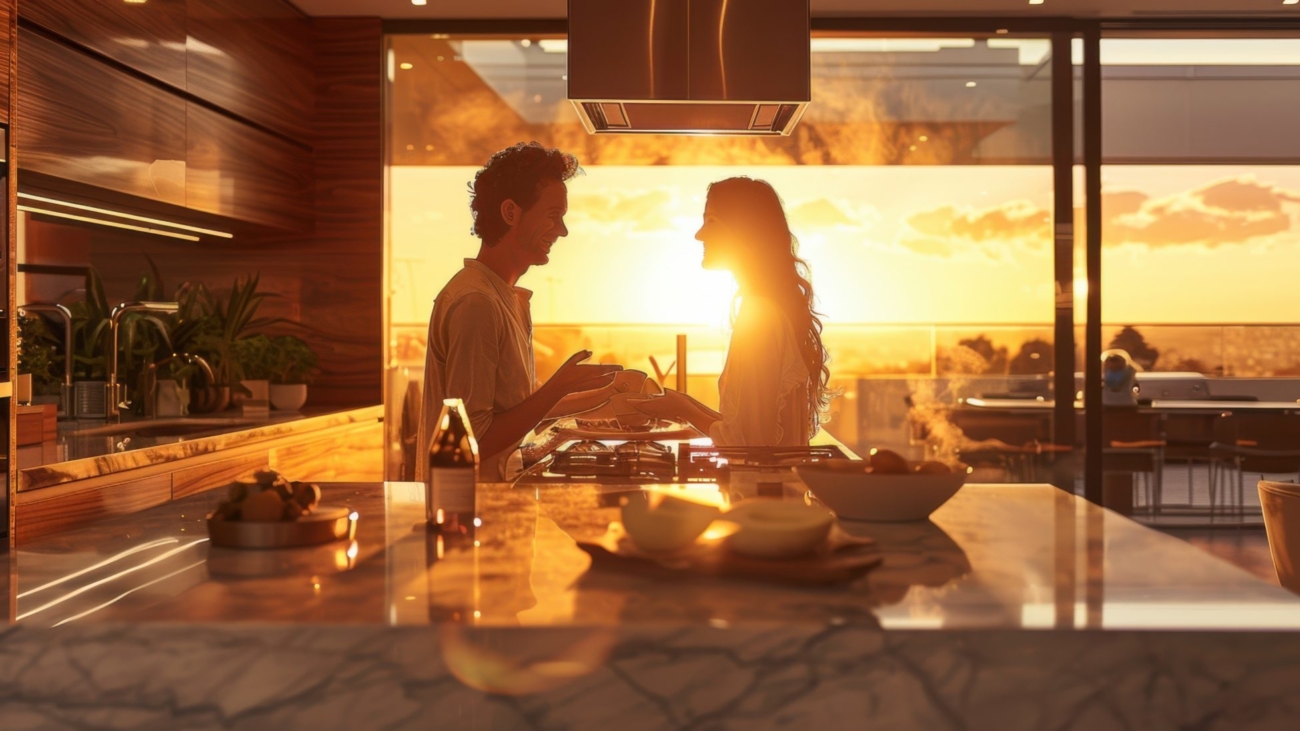
Beyond the Triangle: How Modern Kitchens Keep Up with Real Life
For decades, kitchen design revolved around a single golden rule: the work triangle. If the stove, sink, and refrigerator formed a neat three-point path, the kitchen was deemed efficient. It made sense when kitchens were small, cooking was often a solo endeavor, and appliances were limited to the basics.
But step into a modern home, and it’s a completely different story. Kitchens today are more than places to cook—they’re the heart of the home. They’re where homework gets finished while dinner simmers, where friends gather to chat over wine, and where storage and prep areas must handle everything from bulk grocery runs to busy weeknight dinners.
The traditional triangle can’t keep up. That’s why designers are shifting toward a more flexible, realistic approach: zoning. Instead of relying on a single triangular path, modern kitchens are divided into task-focused areas that support everything from chopping vegetables to hosting a dinner party. Let’s explore how today’s kitchens work, and why the triangle is giving way to zones that truly reflect the way families live.
From Triangle to Zones: Why Kitchens Evolved
The classic kitchen triangle worked in a simpler era: one person cooked, meals were basic, and the fridge, sink, and stove were all you needed. Today, multiple cooks might be working side by side, appliances are more specialized, and open layouts blur the lines between cooking, dining, and living. Kitchens have become multifunctional hubs, requiring storage, prep space, and social zones that the old triangle simply can’t accommodate.
Designers now think in terms of zones: preparation, cooking, cleanup, storage, dining, and multi-use areas. Each zone serves a purpose and allows several people to move efficiently without bumping into one another.
The Prep Zone: Where Every Meal Begins
Prep is the foundation of cooking, and modern kitchens dedicate space to it. Positioned near the refrigerator and a sink, prep zones often feature islands for expansive counter space, letting cooks face the family or guests rather than a blank wall. Adding a small prep sink keeps washing and chopping separate from the main cleanup.
Task lighting ensures safety and ease, while smart storage keeps knives, measuring cups, and other tools within reach. For households cooking together, spreading prep across multiple surfaces—like an island and a counter—prevents congestion and keeps the rhythm flowing.
The Cooking Zone: Beyond the Stove
Cooking is no longer limited to a range and oven. Wall ovens, warming drawers, microwaves, and small appliances like air fryers and sous-vide machines all need space. Today’s cooking zones include counter space on either side of the range, pull-out spice racks, and nearby storage for pots and pans. Ventilation is critical in open-concept homes, ensuring the air stays fresh and comfortable.
Some families dedicate a portion of the pantry or a butler’s pantry as a small appliance station, keeping countertops clear while ensuring everything is within reach when needed.
The Cleanup Zone: Making Chores Seamless
Cleanup may never be glamorous, but thoughtful design makes it effortless. Modern kitchens often feature dual sinks, additional dishwashers, and pull-out trash and recycling bins to keep the workflow smooth.
Wide sinks with integrated accessories—cutting boards, drying racks, and rinse stations—transform cleanup from a chore into a seamless part of kitchen life. Placing sinks strategically allows for easy circulation, so dishes move efficiently from table to dishwasher without interfering with prep or cooking areas.
The Storage Zone: Taming Clutter
The triangle falls short when it comes to storage. Today’s kitchens must handle specialty appliances, bulk groceries, and pantry staples. Walk-in pantries give families room to stock up without overwhelming the kitchen, while butler’s pantries keep prep and cleanup out of sight during entertaining.
Inside the kitchen, deep pull-out drawers replace awkward base cabinets, vertical dividers hold baking sheets, and appliance garages hide coffee makers or blenders while keeping them plugged in and ready. Even islands can include specialty storage like built-in wine fridges or hidden microwave drawers, keeping surfaces clutter-free.
Dining and Entertaining Zones: Kitchens as Social Hubs
Modern kitchens are social spaces. Open layouts invite guests to gather while meals are prepared, and islands often double as dining tables for casual breakfasts or holiday spreads.
Thoughtful design keeps guests engaged without crowding the cook. Beverage stations, wine coolers, or secondary sinks allow hosting without disrupting the workflow. Adjustable lighting—from bright task lights for cooking to warm accent lights for evening gatherings—sets the right mood for every occasion.
Flexible Multi-Use Zones: Kitchens for Life
Kitchens now accommodate homework, remote work, and family organization. Islands double as workstations, built-in charging drawers keep devices powered, and message centers help manage schedules. These zones reflect real-life use, blending cooking, dining, work, and socializing into a single, cohesive space.
Imagine a weekday evening: one parent rinses vegetables at the island sink, a teenager sets the table, another stirs pasta on the stove, and a child finishes homework nearby. Snacks are grabbed from the pantry, dishes move smoothly to the dishwasher, and everyone stays connected. This fluid, overlapping workflow is the new kitchen reality—far beyond the old triangle.
Tips for Reimagining Your Kitchen
- Map Your Daily Life: How many people cook at once? How often do you entertain? Where do kids do homework or snacks?
- Think in Zones: Identify spaces for prep, cooking, cleanup, storage, dining, and flexible tasks.
- Plan for the Future: Include smart technology, charging stations, and ample storage to keep the kitchen functional for years.
By designing around real routines instead of a geometric formula, you create a kitchen that supports not just meals, but life itself.
Conclusion: Kitchens Shaped by Life, Not Geometry
The kitchen work triangle was a brilliant concept in its time, but today’s families need more. They need kitchens that balance cooking, dining, storage, and entertaining seamlessly. Zones, flow, and flexibility are the keys to creating a space that truly functions for everyday life.
When designed thoughtfully, a modern kitchen becomes more than a place to cook—it becomes the heart of the home, a space where connections happen, tasks flow effortlessly, and daily life feels organized and enjoyable.
Because the best kitchens aren’t shaped like triangles—they’re shaped by the people who use them.