
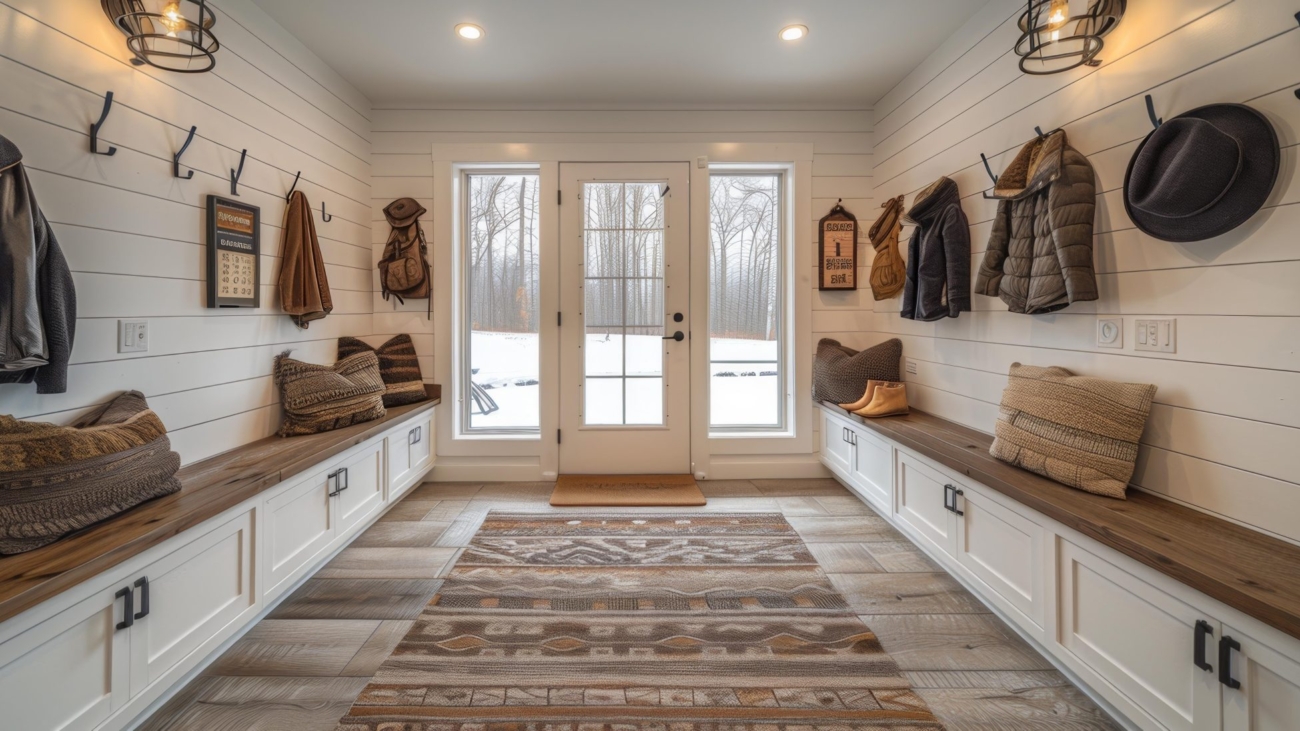
Every so often, a space that was once overlooked quietly becomes the unsung hero of the modern home. Lately, that space has been the mudroom. Tucked by the garage or side entrance, it may not demand attention, but it has swiftly become one of the most requested features in home remodels—and for good reason.
Families today are juggling more than ever: kids, pets, groceries, sports gear, deliveries, and endless in-and-out movement. Without a system, that daily flow turns into clutter and chaos. The mudroom steps in as the great equalizer—a space that organizes, protects, and simplifies life before it spills into the rest of the home.
What’s fascinating is how quietly this transformation has occurred. The mudroom isn’t a showpiece like the kitchen or living room. It doesn’t need center stage. Instead, it works behind the scenes, bringing structure and calm to the moments that frame every day—the rush out the door, the return home, the comings and goings of modern life.
From Afterthought to Everyday Essential
For decades, mudrooms were practical zones relegated to farmhouses or older homes in wet or muddy climates. They were designed to contain dirt. But as open floor plans became the norm, and family life grew busier, the need for a transition space quietly re-emerged. People began craving a place to absorb the everyday clutter—the shoes, backpacks, coats, mail, pet supplies, and deliveries that pile up at the threshold.
The modern mudroom is more than a functional throwback—it’s a response to how we live today. Open layouts left fewer walls to hide the mess. Families became busier, pets more common, and the “stuff” of daily life multiplied. The mudroom quietly emerged as the antidote to disorder: a space that restores calm and control without sacrificing style.
Today’s mudroom isn’t just a hallway between garage and kitchen. It’s a thoughtfully designed hub bridging the outside world and the sanctuary of home. It sets the tone for how the day begins—and how it ends.
The Invisible Upgrade That Changes Everything
When homeowners plan a remodel, attention often goes to the “showcase” rooms: the kitchen, bathroom, or living room. The mudroom rarely makes the Pinterest board at first. But once experienced—even in a modest form—people quickly realize it’s one of the most transformative spaces in the house.
The appeal of the mudroom isn’t about luxury—it’s about efficiency. Every coat hook, bench, drawer, and cubby is part of a subtle choreography that keeps the rest of the home running smoothly. Rain, snow, dirt, and debris stay where they belong, wet coats dry, boots drip, and pets shake off in a contained zone. Over time, the benefits compound: less cleaning, less clutter, and a calmer household.
The modern mudroom is also a masterpiece of organization. Built-ins and custom cabinetry provide a place for everything, turning the usual jumble of shoes, keys, and backpacks into an orderly system. Many families create individual “lockers” for each person, a small but powerful touch that makes mornings less chaotic and evenings more peaceful.
Why the Mudroom Boom Happened
It’s tempting to call this a design trend, but it’s more a lifestyle shift. Several factors converged to push this once-humble room into the spotlight:
- Open floor plans exposed a problem: Without walls, clutter had nowhere to hide. The mudroom solves this elegantly, creating structure without sacrificing openness.
- Modern life is busy: Work, school, sports, and social activities mean families come and go constantly. The mudroom acts as a reset point—a calm transition from outside to home.
- Hygiene matters: The pandemic highlighted the importance of a space to remove shoes, wash hands, and drop off packages without contaminating the main living areas.
- Pet ownership: Mudrooms offer a dedicated space for washing, feeding, and organizing pets without taking over the kitchen or laundry room.
- Home value: A well-designed mudroom signals livability and practical, family-friendly design—a subtle feature that impresses buyers.
What Makes a Great Mudroom
A mudroom isn’t just a collection of hooks and baskets—it’s about location, durability, and usability.
- Location: Ideally near the garage or side entry, close to the laundry or utility area, so messes can be handled seamlessly.
- Durability: Tile, slate, or porcelain floors resist water and clean easily. Wipeable paints and robust finishes ensure walls and cabinetry stand up to daily use. Paneling or wainscoting adds protection while enhancing style.
- Storage: Built-in benches with drawers below and cubbies above maximize vertical space. Closed cabinets hide clutter; open shelves offer quick access. Some mudrooms double as command centers with mail slots, calendars, and charging stations.
- Lighting & Ventilation: Bright, natural light combined with well-placed LED fixtures makes the room welcoming. Adequate airflow prevents damp gear from getting musty.
Where Utility Meets Design
Function drives the mudroom, but style gives it staying power. Today’s mudrooms blend seamlessly with the home’s aesthetic. Natural tones—beige, gray, green, or blue—connect to the outdoors, while farmhouse-inspired wood benches or shiplap walls add warmth. Contrasts like crisp white cabinetry with black hardware, or patterned tile floors, create visual interest.
Even in practical layouts, the best mudrooms feel calm. They aren’t just landing zones—they reflect how the home functions and feels.
How Families Are Using Mudrooms Today
Custom lockers and cubbies tame the chaos of busy mornings. Pet owners incorporate wash stations and pull-out drawers for food and bowls. Hybrid mudroom-laundry rooms streamline chores. Even small spaces, like narrow hallways or converted closets, can function as “micro-mudrooms,” proving that good design is about intention, not size.
The Psychology of the Mudroom
The mudroom creates a pause—a transition between the outside world and home. Taking off shoes, hanging coats, and setting down keys signals the shift from motion to stillness. Children learn routines; adults regain a sense of order. This simple space quietly contributes to harmony, balance, and a calmer home.
Looking Ahead
Mudrooms continue to evolve with technology, sustainability, and flexibility. Built-in charging drawers, smart locks, modular storage, reclaimed materials, and low-VOC finishes reflect modern priorities. Movable partitions and adaptable shelving allow the space to grow with families. In larger homes, dual mudrooms are becoming common for multi-generational households or dual-entry designs.
The mudroom isn’t a passing trend—it’s a permanent feature of thoughtful, modern living.
Conclusion: The Quiet Hero of the Home
The mudroom keeps the chaos of daily life in check. It absorbs dirt, gear, and clutter, giving the rest of the home a chance to remain calm, clean, and comfortable. It’s a lifestyle statement: a space designed for the way we actually live.
Whether you have a busy family, pets, or just want a more organized entryway, a well-designed mudroom transforms how your home looks—and how it feels. It’s the subtle upgrade you’ll appreciate every single day, long after the remodel is complete.
Every detail—from durable flooring to custom cabinetry—works together to simplify routines, create order, and make daily life feel a little more manageable.