
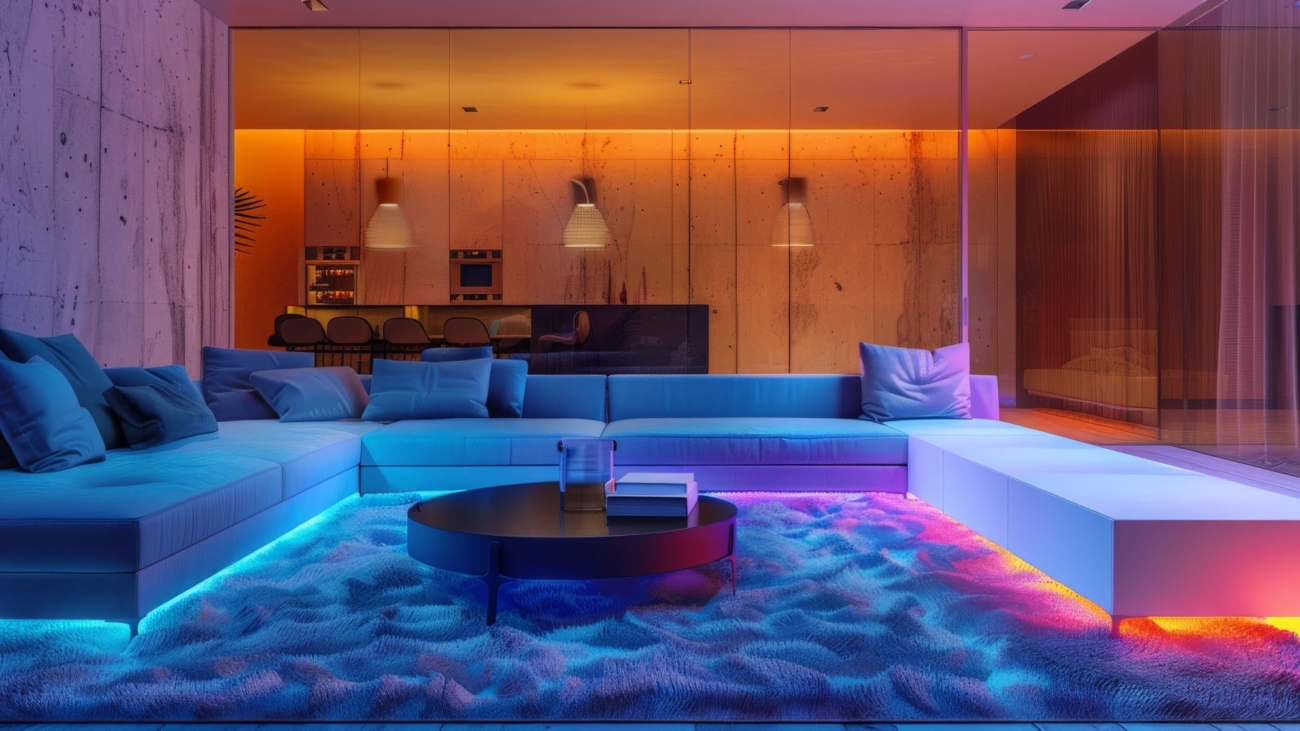
Layered Lighting: How to Make Every Room Glow
Most homes rely on a single ceiling fixture, often mounted in the center of the room. While it technically illuminates the space, that one light can flatten everything. It creates glare beneath the bulb, casts shadows in corners, and gives the room a harsh, unflattering feel—like a photo taken with a camera flash: bright enough to see, but not easy on the eyes.
Layered lighting solves this problem by combining multiple sources at different heights, intensities, and locations. Instead of one harsh wash of light, a room gains depth and dimension. Some areas feel bright and energized, while others glow softly. Architectural features, textures, and finishes stand out, and shadows become part of the design rather than a nuisance. The result is a space that not only looks better but works better for everyday life.
Lighting layers matter because they shape how people experience a room. With the right approach, a space can feel vibrant in the morning, practical in the afternoon, and cozy at night. Good lighting makes daily tasks easier, highlights the design details that make a remodel special, and sets moods that match real living. It is both functional and emotional, and mastering it elevates any home.
Ambient Lighting: The Foundation
Ambient light is the base layer—it sets the overall tone and ensures the space is comfortably lit. This is not about highlighting anything in particular; it’s about creating an even glow that makes a room livable.
Common sources include ceiling-mounted fixtures, recessed lights, track lighting, and wall sconces that bounce light across the room. In traditional spaces, a chandelier may serve as the central source, while contemporary designs often rely on grids of recessed LEDs.
Coverage matters. A single fixture creates shadows and uneven brightness, while multiple sources or distributed lighting ensures every corner is lit. Dimmers add flexibility, letting homeowners shift from bright functionality to soft evening ambiance.
Task Lighting: Focused Function
Task lighting is about precision—illuminating the spots where work happens. In kitchens, under-cabinet LEDs brighten counters, preventing shadows while chopping or prepping. Pendants over islands or sinks focus light exactly where it’s needed. In bathrooms, vertical sconces flanking mirrors eliminate harsh shadows on the face. Reading lamps and desk lights in living rooms and offices make detailed tasks easier and safer.
Placement is crucial. Vanity lights only above a mirror can create unflattering shadows, while flanking fixtures provide balance. Pendant height over an island affects both function and comfort. Designing task lighting around real-life use ensures it is truly helpful, not just decorative.
Accent Lighting: Highlight and Drama
Accent lighting is where artistry comes in. It draws attention to features, adds depth, and creates visual interest. Spotlights on artwork, LED strips in glass cabinets, or uplights behind furniture emphasize textures, colors, and design details.
For accent lighting to be effective, it needs contrast—typically three times brighter than the surrounding light. Restraint is key; highlight a few focal points, not every surface. A fireplace, sculpture, textured wall, or freestanding tub can all benefit from a well-placed accent, turning a good remodel into something memorable.
Natural Light: The Ultimate Layer
Daylight is the wild card in any lighting plan. It shifts throughout the day, connects indoor and outdoor spaces, and adds unmatched warmth. Window placement, skylights, and clerestory windows are critical to harness natural light. Reflective surfaces, mirrors, and light finishes help it reach further into the room, while sheer shades or layered drapery control glare and privacy.
Designing with natural light in mind not only enhances aesthetics but also improves energy efficiency. A well-placed kitchen window, for example, can reduce the need for artificial lighting during the day, keeping the space fresh and inviting.
Combining Layers: How It All Works
The best lighting plans blend ambient, task, accent, and natural light into a cohesive whole. Think of it as a pyramid: ambient light forms the base, task lighting provides function, accent adds artistry, and daylight crowns the structure. Each layer plays a role, but together they transform both the look and feel of a home.
Room-specific strategies vary:
- Kitchens: Recessed ambient lights, under-cabinet task strips, accent lights on backsplashes or cabinetry, skylights for daylight.
- Bathrooms: Vanity task lights, ambient ceiling fixtures, accent spotlights over a tub or shower.
- Living Rooms: Recessed lights, chandeliers, floor and table lamps, accent fixtures for artwork or architectural details.
- Bedrooms: Ambient ceiling lights, bedside lamps for reading, subtle accent lighting, natural light for daytime.
- Home Offices: Task lighting is critical to reduce screen glare, supplemented by ambient and accent layers. Daylight improves productivity and mood.
Technical Details Matter
- Color Temperature: Warm light (2700K–3000K) feels cozy; neutral (3500K–4000K) works well for kitchens and offices; daylight (5000K–6500K) mimics sunlight but can feel stark if overused.
- Brightness: Measured in lumens. Living rooms need 10–20 per sq. ft., kitchens 30–40, and bathrooms 70–80 near mirrors. Dimmers provide flexible brightness.
- LEDs & Smart Lighting: Energy-efficient, long-lasting, and versatile. Smart systems let homeowners control layers, schedules, and scenes, adding convenience and modern appeal.
Common Mistakes
- Overlighting, creating glare.
- Ignoring shadows that interfere with tasks.
- Relying on only one type of light, making rooms flat.
- Choosing the wrong bulb temperature, producing sterile or harsh effects.
- Skipping dimmers, losing flexibility in brightness.
Final Thoughts
Lighting is more than utility—it shapes mood, function, and perception. Layered lighting transforms spaces from merely lit to beautifully illuminated. It enhances finishes, textures, colors, and the overall design, making a remodel feel intentional and inviting.
A well-planned lighting scheme doesn’t draw attention to itself. Instead, it highlights everything else, turning a home into a place that feels dynamic, comfortable, and alive at every hour.