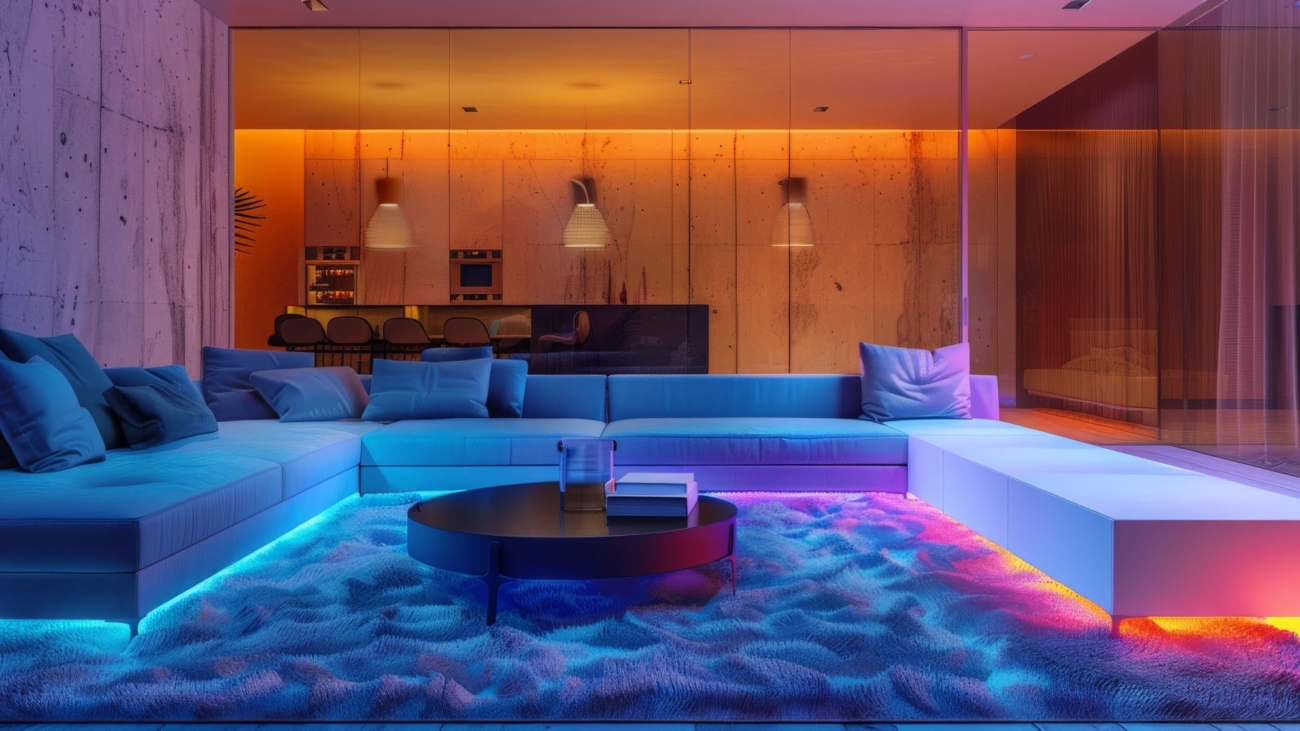
Open Flow, Personal Space: Designing Homes That Connect and Protect

For years, the open-concept floor plan has dominated modern home design. Celebrated for its light, flow, and sense of togetherness, it broke down the barriers between kitchens, dining areas, and living rooms. Families could cook, relax, and entertain in one connected space, and homes felt larger, brighter, and more social.

But as our lifestyles have evolved, so have our needs. The same open layouts that once felt liberating can now feel chaotic. Remote work, hybrid schedules, and juggling family activities all in one shared space have made homeowners crave a balance between connection and privacy. We still love the airiness and flow of open living—but we also need corners to focus, unwind, and enjoy a little quiet.

This balance is at the heart of Open Concept 2.0—an evolved approach to home design that keeps the spaciousness of open layouts while reintroducing subtle boundaries, acoustic control, and flexibility. It’s about creating homes that feel open and cohesive, yet functionally zoned and comfortable for real life.

The Evolution of Open Living

The original open-concept layout emerged as a reaction to the closed-off, compartmentalized homes of the past. Removing walls between kitchens, dining rooms, and living spaces created homes that felt fresh, connected, and family-friendly. It reflected a cultural shift toward togetherness: parents could cook while keeping an eye on the kids, and guests could mingle freely.

However, over time, the downsides became clear. Noise from a blender or television traveled throughout the house. A messy countertop was visible from every angle. Heating and cooling large open areas proved inefficient, and anyone needing quiet had to retreat to a bedroom. The once-celebrated openness began to feel too exposed.

Rather than abandoning the concept, designers began refining it. Open Concept 2.0 preserves visual connection while restoring balance—creating homes that feel unified, but not uniform. The result is a design philosophy that embraces both community and calm.

Redefining “Open”: Principles of Open Concept 2.0

At its core, Open Concept 2.0 is about fostering connection without sacrificing comfort or function. It follows several key principles:

  • Connection Through Sightlines: Open doesn’t mean wall-less. Visual cues—aligned design elements, open doorways, and consistent materials—maintain a sense of unity while keeping spaces distinct.

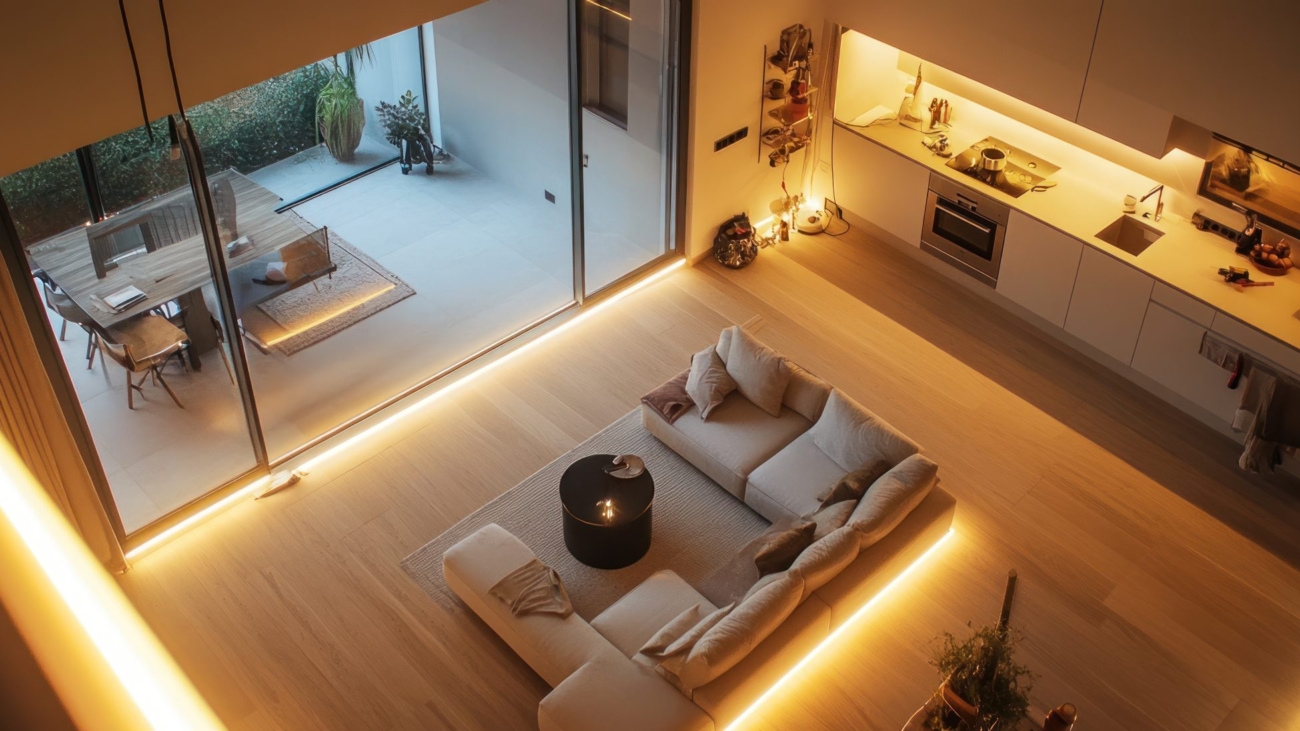
  • Defined Zones Without Rigid Partitions: Subtle architectural elements like half walls, built-ins, ceiling variations, and flooring transitions create purpose for each area while preserving flow.

  • Flexible Privacy: Sliding panels, pocket doors, or movable screens allow spaces to open or close depending on the moment.

  • Acoustic and Visual Balance: Soft furnishings, layered textures, and strategic furniture placement help manage sound and maintain calm.

These principles create smarter, more livable open spaces—spaces that adapt to modern life instead of dictating it.

Designing Open Spaces That Feel Defined

One challenge of open layouts is giving each area identity. Without visual or tactile cues, a large space can feel undefined and overwhelming. Subtle, intentional design moves can signal transitions while keeping everything cohesive.

  • Ceiling as a Divider: Varying ceiling height or materials can indicate transitions. A coffered ceiling over a dining area feels intimate, while smooth drywall in the living room maintains visual flow. Recessed or pendant lighting further reinforces zones.

  • Flooring Changes: Shifting from tile in the kitchen to hardwood in the living room signals function without walls. Area rugs anchor furniture and subtly define areas. Even changing the direction of planks or tiles adds boundary while keeping unity.

  • Furniture as Architecture: In open spaces, furniture defines space. A sofa turned away from the kitchen, backed by a low shelving unit, can delineate a living area. A kitchen island separates cooking from dining while keeping communication open.

Lighting and Materials: Defining Through Design

Lighting and material choices help shape the atmosphere and reinforce boundaries:

  • Layered Lighting: Ambient lighting ties spaces together; task lighting highlights function; accent lighting frames areas and creates mood transitions.

  • Varied Materials and Finishes: Mixing textures—matte paint in a lounge, glossy tile in the kitchen—adds visual rhythm. Subtle differences in wood, stone, or fabrics create identity while maintaining cohesion.

  • Small Details Matter: Wainscoting, wall treatments, or subtle trims signal purpose and help people intuitively understand how to use a space.

Partial Dividers and Flexible Boundaries

Partial dividers allow a sense of enclosure without sacrificing openness. Half walls, glass partitions, or steel-framed panels define areas while letting light through and softening sound.

Flexibility is key. Movable dividers—pocket doors, sliding panels, or curtains—allow spaces to adapt to changing needs. Open the layout for gatherings, close it for quiet work. This adaptability makes Open Concept 2.0 both practical and forward-thinking.

Built-Ins That Shape Space

Built-ins help organize open plans naturally. Banquettes can define dining zones, while custom bookcases or media walls separate living areas without disrupting flow. These elements bring order and purpose, making spaces functional and inviting.

Maintaining Cohesion Across Zones

While defining spaces is important, visual unity matters just as much. Consistency in materials, color palettes, and detailing ties zones together. Repeating accents, aligned furniture, and thoughtful sightlines create harmony and intentionality.

The Overlooked Factor: Acoustics

Noise can make an open home feel chaotic. Layering soft furnishings, rugs, curtains, and upholstered furniture absorbs sound. Acoustic ceiling panels, wood slats, and even plants help diffuse noise while adding warmth.

For remote work or hybrid learning, good acoustics are essential. Thoughtful sound management ensures an open home still feels calm and private.

Adapting to Modern Lifestyles: The Home Office

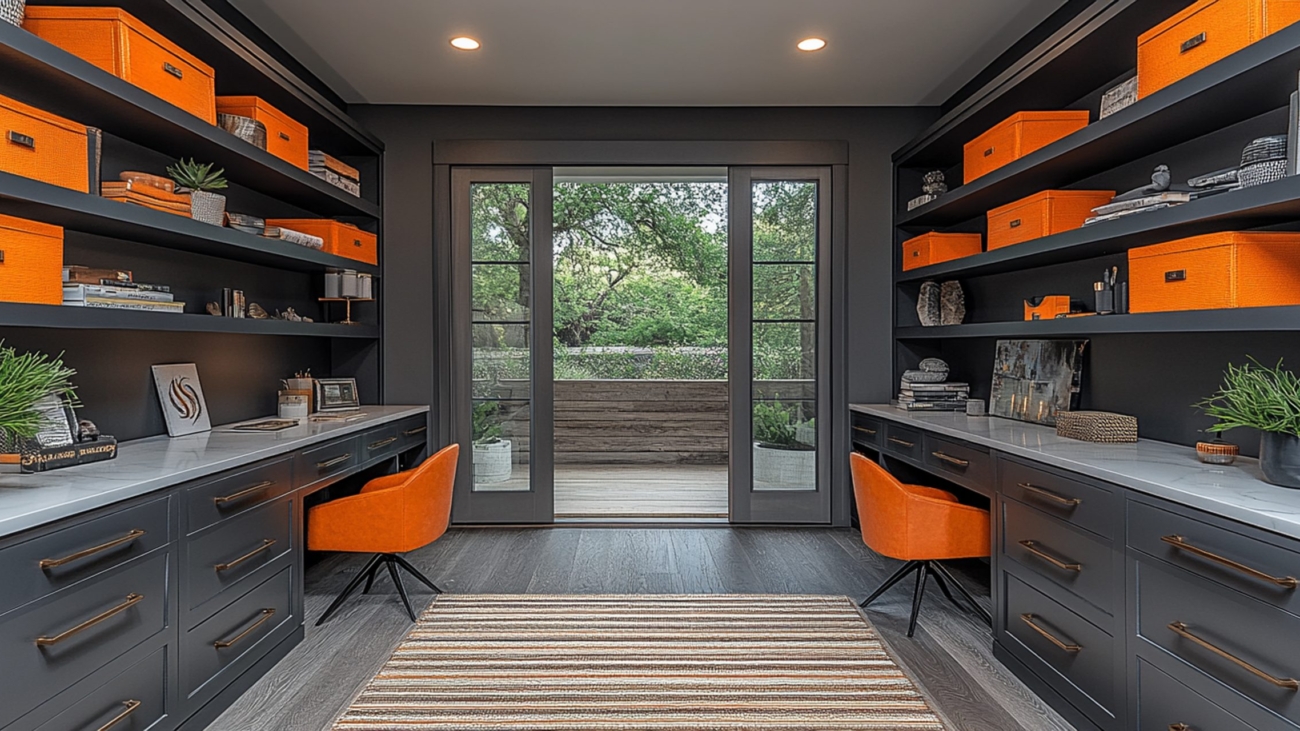
Remote work has changed home design. Open Concept 2.0 integrates micro-offices—desk nooks, workstation cabinets, or under-stair setups—that can close off when not in use. Sliding glass partitions or acoustic panels transform parts of open areas into private workspaces, maintaining both openness and functionality.

Real-World Example

Picture an open kitchen-dining-living space. Initially, it feels freeing—but clutter, noise, and lack of definition create chaos.

An Open Concept 2.0 redesign could include:

  • A slatted wood divider between kitchen and dining

  • A two-sided fireplace anchoring both dining and living areas

  • Layered lighting and area rugs defining zones

  • A built-in banquette encouraging intimate meals

The space remains airy and connected, but every area now has purpose and identity.

Tailoring Open Concept 2.0 to Your Style

Open Concept 2.0 works across design styles:

  • Modern farmhouse: Half-walls or wood beams define spaces

  • Transitional: Paneled dividers balance traditional and modern

  • Contemporary: Clean lines and minimalist partitions maintain flow

  • Industrial: Steel-framed glass adds urban edge

  • Traditional: Archways, trims, and ceiling treatments separate spaces subtly

The key is respecting architectural language while creatively defining areas.

The Future of Open Living

Open Concept 2.0 isn’t about abandoning openness—it’s about evolving it. Homes today need to look good and work for real life.

This approach delivers flexibility, calm, and comfort. Families can gather, work, and relax without constantly colliding. Light, flow, and connection remain, but noise, clutter, and lack of boundaries no longer dominate.

The most successful homes aren’t just open—they’re intelligently open.

Final Thoughts

The open floor plan changed how we live. Open Concept 2.0 is refining it—creating spaces that breathe, connect, and offer quiet retreats.

A well-designed open home invites togetherness while respecting the need for privacy. It adapts to modern life without sacrificing style or comfort.

If you’re planning a remodel or custom build, consider working with a team that understands how to create spaces that flow and function. Homes should fit the rhythm of your life—bright yet balanced, open yet defined, connected yet calm.

Because the next generation of open living isn’t about seeing everything—it’s about feeling at home everywhere.

Holiday-Ready Smart Homes: Making Every Guest Feel Welcome

Creating a Guest-Friendly Smart Home for the Holidays

Turning your home into a smart home can make life easier—and more fun—but holidays bring a unique challenge. Your lights are automated, the thermostat knows your schedule, and your security system tracks packages—but when friends or family come to stay, all that technology can become confusing.

You might be used to saying, “Alexa, turn off the living room lights,” but your guests just want a simple switch. They shouldn’t need a tutorial to make coffee or turn on a lamp. Here’s how to make your smart home intuitive, welcoming, and stress-free for visitors this holiday season.

Keep It Simple

When it comes to guests, simplicity always wins. While you love complex automations and custom routines, visitors don’t know your setup.

  • Physical controls first: Smart switches and buttons, like TP-Link Kasa or Shelly devices, give guests familiar, tactile options. Label them if needed.
  • Simple voice commands: Short phrases like “Goodnight” or “Movie time” are easier to remember than complex scene names. Consider creating temporary guest routines.
  • Limit apps: Don’t expect guests to install multiple apps. Stick to a single, main platform for their stay.
  • Guest-friendly devices: Motion-activated hallway lights or smart plugs with physical buttons simplify everyday tasks.

Secure and Accessible Wi-Fi

The first thing most guests ask is, “What’s your Wi-Fi password?” Instead of giving them full access to your network, set up a guest Wi-Fi. This keeps your smart devices secure while giving visitors what they need.

For added convenience, print a QR code near the router or guest room so they can connect instantly. Simple touches like this make a big impression.

Prepare for Outages

Even the smartest homes can act dumb when the internet or power goes out. The last thing you want is lights or locks failing mid-visit.

  • Local control devices: Choose products that continue to work even if the cloud connection drops.
  • Backup automations: Power key devices with UPS systems to keep lighting and temperature controls online during outages.

These safeguards prevent frustration and keep your guests blissfully unaware of any hiccups.

Reduce Confusion

Smart homes can be intimidating for first-time users. Someone might talk to Alexa like it’s Siri, and someone else may unplug a hub by mistake. That’s okay. A little guidance goes a long way:

  • Leave a simple cheat sheet with Wi-Fi info, key voice commands, and light switch locations.
  • Automate hallway or bathroom lights to trigger with motion.
  • Stick to clear, easy-to-understand routines instead of complex automations guests won’t recognize.

The goal isn’t to showcase every gadget—it’s to make everything work effortlessly.

Subtle “Wow” Moments

A guest-friendly smart home can impress without overwhelming:

  • Pre-set your thermostat for comfort.
  • Automate holiday lights with a smart plug to turn on at dusk and off at bedtime.
  • Add a simple voice command like “Alexa, good morning” to illuminate rooms and play music.
  • Create dynamic LED displays with WLED lighting for eye-catching yet intuitive effects.

Even a small “guest arrival” automation—porch lights on, thermostat adjusted, soft background music—can make visitors feel instantly welcomed. A “goodnight” scene that dims lights, locks doors, and powers down entertainment devices is equally thoughtful.

Balance Convenience, Security, and Simplicity

A truly guest-friendly smart home strikes a balance between function and ease. If your system works perfectly for you but leaves visitors confused, it’s time for a few thoughtful tweaks.

Think of hosting like creating an experience—one where everything feels natural, effortless, and welcoming.

For more tips on building a reliable and approachable smart home, explore guides like The Smart Home Manual and other resources. With a little preparation, your guests will feel comfortable, your devices will stay dependable, and your holidays will be far more relaxing.

Beyond the Triangle: Designing Kitchens That Move With Your Family

Beyond the Triangle: How Modern Kitchens Keep Up with Real Life

For decades, kitchen design revolved around a single golden rule: the work triangle. If the stove, sink, and refrigerator formed a neat three-point path, the kitchen was deemed efficient. It made sense when kitchens were small, cooking was often a solo endeavor, and appliances were limited to the basics.

But step into a modern home, and it’s a completely different story. Kitchens today are more than places to cook—they’re the heart of the home. They’re where homework gets finished while dinner simmers, where friends gather to chat over wine, and where storage and prep areas must handle everything from bulk grocery runs to busy weeknight dinners.

The traditional triangle can’t keep up. That’s why designers are shifting toward a more flexible, realistic approach: zoning. Instead of relying on a single triangular path, modern kitchens are divided into task-focused areas that support everything from chopping vegetables to hosting a dinner party. Let’s explore how today’s kitchens work, and why the triangle is giving way to zones that truly reflect the way families live.

From Triangle to Zones: Why Kitchens Evolved

The classic kitchen triangle worked in a simpler era: one person cooked, meals were basic, and the fridge, sink, and stove were all you needed. Today, multiple cooks might be working side by side, appliances are more specialized, and open layouts blur the lines between cooking, dining, and living. Kitchens have become multifunctional hubs, requiring storage, prep space, and social zones that the old triangle simply can’t accommodate.

Designers now think in terms of zones: preparation, cooking, cleanup, storage, dining, and multi-use areas. Each zone serves a purpose and allows several people to move efficiently without bumping into one another.

The Prep Zone: Where Every Meal Begins

Prep is the foundation of cooking, and modern kitchens dedicate space to it. Positioned near the refrigerator and a sink, prep zones often feature islands for expansive counter space, letting cooks face the family or guests rather than a blank wall. Adding a small prep sink keeps washing and chopping separate from the main cleanup.

Task lighting ensures safety and ease, while smart storage keeps knives, measuring cups, and other tools within reach. For households cooking together, spreading prep across multiple surfaces—like an island and a counter—prevents congestion and keeps the rhythm flowing.

The Cooking Zone: Beyond the Stove

Cooking is no longer limited to a range and oven. Wall ovens, warming drawers, microwaves, and small appliances like air fryers and sous-vide machines all need space. Today’s cooking zones include counter space on either side of the range, pull-out spice racks, and nearby storage for pots and pans. Ventilation is critical in open-concept homes, ensuring the air stays fresh and comfortable.

Some families dedicate a portion of the pantry or a butler’s pantry as a small appliance station, keeping countertops clear while ensuring everything is within reach when needed.

The Cleanup Zone: Making Chores Seamless

Cleanup may never be glamorous, but thoughtful design makes it effortless. Modern kitchens often feature dual sinks, additional dishwashers, and pull-out trash and recycling bins to keep the workflow smooth.

Wide sinks with integrated accessories—cutting boards, drying racks, and rinse stations—transform cleanup from a chore into a seamless part of kitchen life. Placing sinks strategically allows for easy circulation, so dishes move efficiently from table to dishwasher without interfering with prep or cooking areas.

The Storage Zone: Taming Clutter

The triangle falls short when it comes to storage. Today’s kitchens must handle specialty appliances, bulk groceries, and pantry staples. Walk-in pantries give families room to stock up without overwhelming the kitchen, while butler’s pantries keep prep and cleanup out of sight during entertaining.

Inside the kitchen, deep pull-out drawers replace awkward base cabinets, vertical dividers hold baking sheets, and appliance garages hide coffee makers or blenders while keeping them plugged in and ready. Even islands can include specialty storage like built-in wine fridges or hidden microwave drawers, keeping surfaces clutter-free.

Dining and Entertaining Zones: Kitchens as Social Hubs

Modern kitchens are social spaces. Open layouts invite guests to gather while meals are prepared, and islands often double as dining tables for casual breakfasts or holiday spreads.

Thoughtful design keeps guests engaged without crowding the cook. Beverage stations, wine coolers, or secondary sinks allow hosting without disrupting the workflow. Adjustable lighting—from bright task lights for cooking to warm accent lights for evening gatherings—sets the right mood for every occasion.

Flexible Multi-Use Zones: Kitchens for Life

Kitchens now accommodate homework, remote work, and family organization. Islands double as workstations, built-in charging drawers keep devices powered, and message centers help manage schedules. These zones reflect real-life use, blending cooking, dining, work, and socializing into a single, cohesive space.

Imagine a weekday evening: one parent rinses vegetables at the island sink, a teenager sets the table, another stirs pasta on the stove, and a child finishes homework nearby. Snacks are grabbed from the pantry, dishes move smoothly to the dishwasher, and everyone stays connected. This fluid, overlapping workflow is the new kitchen reality—far beyond the old triangle.

Tips for Reimagining Your Kitchen

  1. Map Your Daily Life: How many people cook at once? How often do you entertain? Where do kids do homework or snacks?
  2. Think in Zones: Identify spaces for prep, cooking, cleanup, storage, dining, and flexible tasks.
  3. Plan for the Future: Include smart technology, charging stations, and ample storage to keep the kitchen functional for years.

By designing around real routines instead of a geometric formula, you create a kitchen that supports not just meals, but life itself.

Conclusion: Kitchens Shaped by Life, Not Geometry

The kitchen work triangle was a brilliant concept in its time, but today’s families need more. They need kitchens that balance cooking, dining, storage, and entertaining seamlessly. Zones, flow, and flexibility are the keys to creating a space that truly functions for everyday life.

When designed thoughtfully, a modern kitchen becomes more than a place to cook—it becomes the heart of the home, a space where connections happen, tasks flow effortlessly, and daily life feels organized and enjoyable.

Because the best kitchens aren’t shaped like triangles—they’re shaped by the people who use them.

Livtab LT90 Pro: The Smart Coffee Table That Brings the Party to Your Living Room

Smart furniture is redefining how we think about home living, blending style with convenience in ways that make traditional pieces feel a little… basic. The Livtab LT90 Pro Smart Table takes this concept to the next level. Imagine a coffee table, mini-fridge, Bluetooth speaker, wireless charger, and more—all rolled into a single sleek unit. I had the chance to test one recently, and here’s what I discovered.

Editor’s Note: I received this item for free in exchange for an honest review. As always, my opinions remain entirely my own.

Affiliate Disclosure: Some links on this page are affiliate links. If you make a purchase through these links, I may earn a small commission at no extra cost to you. Affiliates don’t influence my recommendations. Read my full disclosures for more information.

Livtab LT90 Pro Smart Table: Specs at a Glance

  • Dimensions: 41.5″ W x 23″ D x 18.2″ H
  • Weight: 110 lbs
  • Noise Level: 36 dB
  • Bluetooth Speaker: 20W
  • Wireless Charger: 15W max
  • Refrigerated Compartments: Dual-temperature drawers (37–46°F / 43–61°F)
  • USB Ports: Two Type-A, one Type-C (5V/2.1A)
  • Color Options: Black or White (tabletop always black)

The LT90 Pro packs a surprising amount of functionality into a modern, minimalist design, making it look more like a premium coffee table than a tech gadget.

First Impressions & Setup

The table arrives fully assembled, which is a relief given its 110-pound heft—moving it solo, especially up or down stairs, isn’t recommended. Unpacking takes patience: lots of tape, foam, and plastic, with some tape residue that initially looked like scratches. Pro tip: unscrew the feet first, then remove the protective plastic before reattaching them.

Before powering on, the manual recommends letting the table sit for two hours to allow the refrigerant to settle. I opted for three hours—better safe than sorry. Once ready, setup is straightforward: plug it in, and the table boots up instantly.

A few quick notes from initial use:

  • One fridge drawer is shorter to accommodate the speaker.
  • The control panel locks after 10 seconds to avoid accidental presses; double-tap to unlock.
  • Each fridge compartment can be set independently in Celsius. An Eco mode defaults to 41°F in the larger compartment and 46°F in the smaller one.
  • Leaving fridge doors open triggers a gradual LED color shift from white to red, followed by a warning beep—though beeps are muted while music plays.

Party-Ready Features

The LT90 Pro shines in entertainment mode. The 20W Bluetooth speaker pairs easily and delivers stereo sound with surprisingly deep bass—more than enough for a small party or living room gathering. EQ presets include Auto, Film, Jazz, Pop, and Rock, and the LED panel doubles as a visualizer synced to the music. These animations are fixed in blue, which adds a fun, modern vibe without being overwhelming.

Smart Charging

On top of its audio and refrigeration functions, the LT90 Pro also offers a 15W wireless charging pad and three USB ports (two Type-A, one Type-C). All worked flawlessly in my tests, though you’ll need your own cables. For parties or shared living spaces, this feature alone is a game-changer.

Practicality Meets Style

Beyond the tech, the table is practical: combining a coffee table with a small fridge costs less or comparable to buying each separately—but here, you also get speakers, wireless charging, and visual flair. Minor drawbacks include fingerprint-prone surfaces, ambient buzzing on initial power-up, and temperatures displayed only in Celsius. Still, these are small trade-offs for what the LT90 Pro delivers.

Pros

  • Sleek, premium look and feel
  • Dual-fridge compartments with temperature control
  • Solid Bluetooth speaker with EQ presets and LED visualizer
  • Wireless and USB charging ports
  • Fully assembled, easy setup after waiting period

Cons

  • Expensive compared to a standard coffee table
  • Very heavy—difficult to move alone
  • Fingerprint-prone surfaces
  • Ambient buzzing when first powered on
  • Fridge door beep disabled while music plays
  • LED visualizer fixed color

Final Thoughts

The Livtab LT90 Pro is more than just a coffee table—it’s a conversation starter, a party companion, and a convenient addition to any entertainment-focused space. While it won’t suit someone looking for a simple, minimal table, it shines in living rooms, family spaces, or man caves where tech and convenience are priorities.

Yes, it’s a bit pricey, but when you consider it replaces both a coffee table and a mini-fridge while adding a speaker, wireless charging, and fun LED visuals, the cost feels justified. For anyone looking to elevate their space with functional, modern smart furniture, the LT90 Pro delivers on multiple fronts.

Weather-Proof Your Home: Smart Routines to Set Before the Seasons Shift

Smart Home Routines to Tackle Seasonal Changes

The shift from sunny summer days to crisp fall evenings—and then into chilly winter nights—can catch you off guard. One day you’re enjoying long afternoons and outdoor barbecues, the next you’re fumbling with light switches at 5 PM and piling on layers just to stay warm. Seasonal transitions are the perfect time to refresh your smart home routines, keeping your space cozy, efficient, and secure.

This is when smart home setups really shine—not just for convenience, but for automations that adapt to changing daylight, cooler temperatures, and unpredictable weather. Below are some routines worth considering, along with links to tools and strategies I personally use in my own home.

Light Your Home Smartly

As daylight fades earlier, smart lighting can bridge the gap. Instead of setting your porch lights to a fixed time, automate them to turn on 15 minutes before sunset. Most platforms—including Home Assistant, Alexa, and Google Home—support sunset-based triggers.

Inside, try creating lighting scenes that gradually brighten rooms as darkness falls. This soft transition reduces the jarring contrast when entering a dark home, making evenings more pleasant. For inspiration, check out my home automation ideas guide for simple routines that make your house feel smarter.

Smart Temperature Control

Smart thermostats are already great for efficiency, but seasonal changes call for fine-tuning. As nights grow colder, set routines to lower the thermostat while you sleep or are away and warm things up before you wake or return home.

In my setup, the bedrooms heat up 30 minutes before wake-up, then gradually cool down around bedtime. With Home Assistant, you can get even more advanced, triggering thermostat changes based on outside temperatures, weather, or room occupancy. For more ideas, see my guide on weather-based automations—it’s perfect for this time of year.

Automating Fireplaces & Space Heaters

Cold evenings often bring fireplaces and space heaters back into rotation. With the right smart setup, you can automate them safely.

For gas fireplaces with wall switches, a Shelly relay can make your fireplace part of your automation routines, allowing it to turn on based on temperature thresholds or bedtime schedules. For space heaters, always use smart plugs rated for their wattage and build in safety limits. You can even schedule them to run only during certain times or when specific conditions are met.

Prepare for Power Outages

Fall and winter storms often cause power interruptions. If your smart home relies on switches, lights, or locks, a little preparation goes a long way.

  • Notifications: Set routines to alert you when power returns.
  • UPS Backup: Invest in a small uninterruptible power supply for your smart hub and router to maintain network access briefly.

For a full guide on preparing your smart home for outages, including monitoring power loss and safely restarting devices, see my detailed article—it’s a must-read before storm season.

Automating Blinds & Curtains

Motorized blinds aren’t just flashy—they’re functional. In colder months, automate them to open during the day to let sunlight warm your home and close at night to trap heat inside. Passive heating like this can cut energy use without sacrificing comfort.

Don’t have motorized blinds? Devices like the SwitchBot Blind Tilt make retrofitting existing blinds easy. I reviewed this tool in detail and was impressed by how simple it was to integrate into smart routines. Even basic timed routines or weather-based triggers can make a big difference.

Smarter Mornings

Shorter, darker mornings make waking up harder. A smart home can gently ease you into the day:

  • Gradually brighten bedroom and kitchen lights
  • Start your coffee maker automatically
  • Announce morning news and weather updates

Platforms like Home Assistant or Alexa routines can make this a multi-step, personalized experience, even adapting for weekends with a relaxed schedule or mood lighting.

Boost Security

Longer nights often mean more security concerns. Smart homes can reinforce safety automatically:

  • Exterior lights triggered by motion or sunset
  • Smart locks programmed to check doors at night or when leaving
  • Security cameras with enhanced evening sensitivity
  • Automated alerts paired with lights or notifications

From video doorbells to panic buttons, smart home security features become even more critical as days grow shorter.

Final Thoughts

Smart home routines aren’t just about tech—they’re about comfort, safety, and efficiency. Seasonal adjustments may seem small, but they save time, energy, and stress later.

Start with simple routines: sunset-based lighting, thermostat adjustments, smart heating devices, or automated blinds. From there, explore more advanced setups like weather-triggered automations, smart fireplace switches, or outage preparations. A little planning now keeps your home comfortable, secure, and energy-efficient as the seasons change.

Let your smart home handle the details so you can focus on enjoying the shift in season.

Support HomeTechHacker

If you’ve found these tips useful, here’s how you can support the site:

  • Share the content with friends and on social media
  • Subscribe to the site
  • Purchase my books: Life by Design, The Personal Cybersecurity Manual, The Home Network Manual, or The Smart Home Manual
  • Link to HomeTechHacker on a site you manage
  • Enroll in HomeTechHacker Academy for online courses
  • Reach out via my contact page or Twitter with ideas or feedback
  • Shop through my Amazon affiliate links (at no extra cost to you)

Thank you for supporting HomeTechHacker—I truly appreciate it!

Built to Endure: Smart Design Tips for Homes That Handle Everyday Traffic

Designing for Real Life: Creating Homes That Last and Thrive

Designing a home for real life goes far beyond choosing materials that simply “look” durable. True longevity comes from understanding how your household moves, interacts, and uses each space day after day. It’s about knowing where messes tend to appear, how storage is truly utilized, and which finishes will endure the constant wear of real life. The most successful spaces are those that can take a beating, clean up easily, and still look effortlessly composed—even in the midst of chaos.

At Sebring Design Build, we know that beauty and functionality are not mutually exclusive. A well-designed home is one that balances both seamlessly. Whether it’s a kitchen that doubles as a homework hub, a mudroom that keeps clutter contained, or a bathroom built to withstand constant humidity, thoughtful design ensures every high-use space performs beautifully for years.

In this guide, we’ll explore how to select the right materials, layouts, and finishes for your busiest rooms. When design is built for real life, your home not only looks stunning—it works better, feels better, and truly lives better.

1. Begin With Function

Every enduring, high-traffic design begins with a deep understanding of how the space will be used. Before selecting colors, finishes, or fixtures, consider the rhythms of daily life. How many people pass through the room each day? Are children or pets part of the household? Is the space frequently exposed to water, dirt, or heavy use? Does it serve multiple purposes—like cooking, homework, and socializing?

Designing with function first ensures that the space supports your lifestyle rather than working against it. When function drives decisions, everything else—materials, storage, traffic flow—aligns naturally. Durable design isn’t just about choosing tough surfaces; it’s about thoughtful planning that anticipates real-world wear and tear over the long term.

2. The Kitchen: The Heart and Workhorse of Your Home

The kitchen is more than a place to cook—it’s the central hub of modern life. Families gather around the island, kids tackle homework at counters, friends congregate during parties, and countless daily activities unfold alongside meal prep. With all this traffic, spills, and scrapes, the kitchen must be both beautiful and resilient.

Countertops need to endure daily life while maintaining elegance. Quartz is an exceptional choice: non-porous, stain-resistant, and nearly maintenance-free, it mimics the beauty of natural stone while offering superior durability. Granite also performs well, offering heat resistance and a timeless aesthetic, though it requires periodic sealing to maintain its pristine appearance. Both materials provide the toughness needed in a hardworking kitchen without compromising style.

Cabinetry is another critical factor. Everyday use—opening drawers, reaching for pots, cleaning spills—can quickly wear down subpar cabinets. Solid wood or high-quality plywood construction ensures long-lasting durability. Soft-close hinges and drawer slides further extend the life of cabinetry, while high-quality paint or laminate finishes resist chips and scratches. Selecting medium or darker tones can also help hide everyday marks, keeping your kitchen looking polished even under heavy use.

Flooring must handle moisture, heat, and constant foot traffic. Luxury vinyl plank (LVP) is a top choice for busy kitchens: waterproof, resilient, and available in beautiful wood or stone-look finishes. Porcelain tile remains a classic, with unmatched scratch resistance and easy maintenance, though it can feel harder underfoot. Engineered hardwood provides the warmth of wood with improved stability in humid conditions, offering a practical balance.

Layout is equally important. Efficient workflows—like a functional work triangle connecting the sink, stove, and refrigerator—minimize wear and reduce clutter. Wide walkways, deep drawers, and strategically placed landing zones streamline daily activities and protect surfaces. When the kitchen flows intuitively, it not only makes life easier—it helps the space remain in excellent condition for years.

3. The Mudroom: The Unsung Hero

Few spaces experience as much wear and tear as the mudroom. Serving as the frontline between the outdoors and the home, it collects rain-soaked coats, muddy boots, gym bags, and backpacks. A well-designed mudroom contains the mess, prevents chaos from spreading, and remains functional through the busiest mornings.

Flooring is paramount. Porcelain tile is ideal for high-traffic, moisture-prone areas: durable, easy to clean, and stain-resistant. Textured ceramic tile offers extra traction when wet, while luxury vinyl tile (LVT) provides warmth and resilience. Natural stone can be striking but demands regular sealing to remain practical.

Storage is essential to keeping a mudroom functional. Built-in cubbies or lockers give each family member a dedicated space for shoes, coats, and gear. A sturdy bench with hidden storage adds convenience for dressing and undressing while keeping clutter out of sight. Open hooks and shelving make everyday routines effortless, even during the busiest moments.

Finishes should endure constant use. Satin or semi-gloss paint allows easy cleaning, while durable trim resists scuffs and knocks. Darker flooring or patterned tiles help camouflage dirt between cleanings, and washable rugs or runners protect surfaces while adding warmth and texture.

Lighting and ventilation enhance usability. Bright overhead lights illuminate the space for spotting messes, while natural light or a small window adds freshness. Adequate airflow prevents dampness, ensuring that coats, shoes, and gym gear dry quickly without lingering odors.

4. The Bathroom: Built to Withstand Humidity and Use

Bathrooms endure constant moisture and frequent use. Choosing materials and layouts that resist water damage, mold, and daily wear ensures long-term durability.

Countertops: Quartz shines again for bathrooms. Its non-porous surface makes it resistant to water and stains, perfect for vanities and frequently splashed areas. Solid-surface materials like Corian offer seamless edges and easy repair, providing both practicality and elegance.

Walls and flooring: Porcelain tile reigns supreme, offering waterproof durability and timeless beauty. Ceramic tile works well on walls or in lower-traffic areas, but porcelain’s density provides superior longevity. High-quality grout, preferably epoxy, prevents moisture penetration and inhibits mold growth.

Cabinetry: Plywood outperforms MDF in humid conditions, resisting warping and extending the life of your cabinets. Laminates or veneer finishes add extra protection. Adequate ventilation—via a well-sized exhaust fan—is crucial to prevent mildew, warping, and long-term damage.

Fixtures: Choose materials designed to last. Solid brass or stainless steel resist corrosion far better than zinc alternatives. Spot-resistant and tarnish-proof finishes, like chrome, brushed nickel, matte black, or warm brass, maintain their elegance over time.

Layout: Smart zoning separates wet and dry areas, reducing moisture exposure where it isn’t needed. Curbless showers, wall-mounted vanities, and solid-surface pans improve usability while limiting maintenance. Functional planning ensures the bathroom remains both beautiful and practical for years.

5. Universal Design: Built for Every Stage of Life

True durability isn’t just about materials—it’s about adaptability. Universal design ensures that spaces are accessible, safe, and comfortable for everyone, regardless of age or mobility.

Features such as wider doorways, lever-style handles, slip-resistant flooring, built-in benches, handheld showerheads, and layered lighting improve usability while future-proofing your home. Accessibility need not compromise style; thoughtful design ensures that spaces remain both elegant and functional for decades.

6. Maintenance: The Unsung Key to Longevity

Even the most durable materials require care. Homes that age gracefully do so because their finishes, fixtures, and systems are easy to maintain.

  • Matte and satin surfaces hide fingerprints better than glossy ones.
  • Large-format tiles reduce grout lines and potential dirt buildup.
  • Quality hardware resists loosening, corrosion, and wear.
  • Adequate ventilation controls humidity, odors, and heat in bathrooms, kitchens, and mudrooms.
  • Washable paint and durable trim allow for effortless cleaning and touch-ups.

A home that’s easy to maintain stays beautiful far longer. Maintenance-friendly materials and systems save time, money, and stress over the long haul.

7. Timeless Style: Enduring Beauty That Works

Trends come and go, but classic design endures. When investing in durable finishes, pair them with timeless aesthetics: neutral palettes, warm woods, subtle tones, and simple lines that won’t feel dated. Clean, understated hardware and proportional elements allow a space to evolve gracefully over time.

Timeless design also simplifies upkeep. Neutral colors hide wear and coordinate easily with future updates, ensuring your home remains inviting and functional for years to come.

Bringing It All Together

A home built for real life isn’t perfect only on move-in day—it’s resilient, functional, and beautiful for decades. Kids track dirt, pets scratch floors, kitchens are constantly in use, and mudrooms see daily chaos. Designing with real life in mind embraces this reality, creating spaces that don’t just survive wear—they thrive under it.

When design is intentional, every choice—from flooring to countertops to cabinetry—supports your daily life. High-performance, timeless spaces reduce stress, simplify routines, and elevate the way you live.

At Sebring Design Build, we specialize in creating homes that look stunning on day one and endure the tests of everyday life. Kitchens, mudrooms, bathrooms, and high-traffic spaces are designed with longevity, functionality, and beauty in mind. Whether updating one space or remodeling an entire home, our team guides you toward choices that blend style, practicality, and lasting value.

Your home should not only look amazing—it should work brilliantly for every stage of life. Start designing a home that lives as well as it looks. Schedule your design consultation today, and let’s create a space built not just for now, but for every chapter to come.

Pantry Perfection: How Storage Became the Ultimate Luxury

Luxury in home design isn’t just about grand entrances or marble countertops anymore. Today, indulgence is found in the details—the spaces that quietly make everyday life smoother, cleaner, and more enjoyable. And one room, once dismissed as purely functional, is now stealing the spotlight: the pantry.

Pantries have evolved from basic storage rooms into thoughtfully designed micro-environments that blend beauty and function. Whether it’s a spacious walk-in pantry for a passionate home chef, a refined butler’s pantry for seamless entertaining, or a discreet hidden pantry that keeps the kitchen pristine, these spaces have become some of the most coveted home upgrades of the decade.

Why Pantries Are the New Symbol of Luxury

For years, the kitchen was the heart of the home, while the pantry was its humble sidekick—useful, but rarely celebrated. That’s changing. Modern homeowners aren’t just chasing size and shine; they want efficiency, flow, and quiet sophistication. A well-designed pantry delivers all three.

It declutters the main kitchen, hides everyday chaos, and provides storage that actually makes sense. It’s not just about more shelves—it’s about freeing countertops, keeping ingredients and appliances within reach, and creating a space that supports cooking, cleaning, and entertaining with ease. In short, a luxury pantry isn’t about showing off wealth—it’s about showing impeccable taste.

The Big Three: Walk-In, Butler’s, and Hidden Pantries

Walk-in pantries are the pinnacle of scale and customization. They store everything from dry goods and wine to appliances and servingware, and sometimes even include a prep sink. For families who cook frequently or buy in bulk, a walk-in pantry is transformative. With proper lighting, ventilation, and durable finishes, it feels like an extension of the kitchen—both functional and beautiful.

Butler’s pantries bring a different kind of luxury. Traditionally a service area between kitchen and dining room, they now serve homeowners who love to entertain. Equipped with sinks, wine fridges, and display cabinetry, these pantries function as beverage stations, staging zones, or cleanup areas. Warm lighting and elegant finishes add sophistication, making hosting effortless while keeping the main kitchen spotless.

Hidden pantries are the minimalist’s dream. Seamlessly integrated into kitchen cabinetry, they’re virtually invisible at first glance. Inside, pull-out shelves, integrated lighting, and organized storage provide maximum efficiency without disrupting the kitchen’s clean lines. Hidden pantries offer the luxury of order without visual clutter.

Designing for Flow and Function

A successful pantry begins with flow. Every item should have a place that feels intuitive—a layout that mirrors how you cook, clean, and live. Many pantries are organized into “zones”: one for dry goods, one for beverages, one for appliances, and sometimes even a prep counter.

Accessibility is key. Shelves that are too deep hide items; too shallow, and they limit storage. Depths between 12 and 18 inches usually provide the perfect balance. Pull-out drawers, rotating shelves, and adjustable shelving maximize every inch, especially in walk-in or hidden pantries.

Lighting is just as important. A dark pantry, no matter how large, feels utilitarian rather than luxurious. Recessed ceiling lights paired with LED strips under shelves create an even, welcoming glow, while warm lighting in glass-front or open pantries turns stored items into a design feature.

Material Matters: Crafting Luxury

Luxury is in the materials. A pantry should harmonize with the kitchen while allowing subtle contrasts. For instance, a sleek white kitchen might feature a natural oak pantry interior, or brushed brass hardware could complement chrome elsewhere.

Solid wood shelving conveys quality, while quartz or marble counters add substance. Glass or metal shelves can introduce lightness and reflectivity. Soft-close doors, concealed hinges, and seamless hardware enhance the sense of refinement. Flooring—whether tile, stone, or hardwood—can unify or subtly distinguish the pantry, and even small details like leather pulls, textured backsplashes, or frosted glass doors contribute to an understated sense of luxury.

Walk-In Pantries: Everyday Grandeur

A walk-in pantry is a secondary kitchen in miniature. Deep drawers, prep counters, small appliances, and even a sink or island turn it into a practical and beautiful workspace. Thoughtful organization—glass jars, woven baskets, labeled containers—creates a curated calm, while under-shelf LED lighting keeps everything visible. Proper ventilation preserves ingredients, ensuring this functional space performs like a true luxury room.

Butler’s Pantries: Entertaining with Ease

The butler’s pantry bridges cooking and hosting. With sinks, beverage fridges, wine coolers, and display shelves for glassware, it allows meal prep and drink service to happen behind the scenes. Elegant finishes, warm lighting, and refined details make entertaining seamless, turning chores into effortless grace.

Hidden Pantries: Seamless Sophistication

Hidden pantries satisfy the modern desire for minimalism. Disguised behind cabinetry or pocket doors, they reveal bright, organized storage upon opening. Smart accessories like pull-out trays, baskets, and custom inserts maximize space, while motion-sensor lighting and soft-close doors make daily use feel effortless. Hidden pantries embody quiet sophistication—the understated luxury of efficiency without distraction.

Avoiding Common Design Mistakes

Even the most luxurious pantry can falter without careful planning. Poor lighting, improperly sized shelves, or inadequate ventilation can compromise both function and comfort. Accessibility, outlet placement, and traffic flow are crucial. A pantry should feel intentional—every hinge, drawer, and surface should contribute to form and function alike. True luxury lies in precision, not excess.

Customization: Making It Yours

The most luxurious pantries are tailored to the homeowner. Baking enthusiasts might add dedicated flour drawers and stand-mixer stations. Coffee lovers might include beverage bars with cup storage and water lines. Families can create snack zones for children, while wine collectors add climate-controlled racks. Color, texture, and small design accents—from patterned tile backsplashes to brass hardware—imbue the space with personality.

Technology also elevates luxury: motion-activated lighting, digital inventory trackers, and hidden charging docks bring modern convenience to every visit. Luxury today combines beauty, efficiency, and ease.

The Quiet Power of a Luxury Pantry

When we think of luxury homes, dramatic features often come to mind—grand staircases, spa bathrooms, oversized islands. But real luxury often hides in subtle corners: the pantry that functions flawlessly, the drawer that closes softly, the space that makes everyday routines smoother.

A well-designed pantry gives your kitchen a heartbeat. It keeps countertops clear, gatherings organized, and mornings stress-free. Whether you choose the grandeur of a walk-in, the elegance of a butler’s pantry, or the subtlety of a hidden design, a custom pantry adds both practical and emotional value to your home.

Luxury isn’t about having more—it’s about living better. A beautifully designed pantry delivers that every day, quietly elevating the way you live, cook, and entertain.

Seamlessly Moving Home Assistant: From Python Venv to a Full OS Setup on Proxmox

Migrating Home Assistant from Python Virtual Environment to HAOS in Proxmox: A Step-by-Step Journey

If you’re still running Home Assistant Core in a Python virtual environment, it’s time to start planning your move. The Core and Supervised installation methods are being phased out, with future updates focused on the Home Assistant Operating System (HAOS) and Container installations. Migrating now ensures smoother updates, greater reliability, and full access to the Add-on Store. In this guide, I’ll walk you through my migration from a Python virtual environment on Ubuntu in Proxmox to a full HAOS setup in a Proxmox VM, including the bumps along the road and how I resolved them.

Why Migration Matters

When I first started using Home Assistant, I installed it via a Python virtual environment on an Ubuntu VM. It worked for years, and I even documented that initial setup in an early guide. But as Home Assistant evolved, maintaining the virtual environment became increasingly cumbersome. Every major update often required rebuilding the environment, and support for older Python versions was gradually dropped.

Eventually, Home Assistant officially announced the deprecation of Core and Supervised installs. The writing was clear: it was time to migrate to HAOS, the officially supported and most streamlined path forward.

Preparing for the Move

Before jumping in, I created a detailed migration plan:

  1. Snapshot the existing Home Assistant Proxmox VM
  2. Download all Home Assistant backups
  3. Ensure copies of Z-Wave security keys
  4. Note USB passthrough devices for Z-Wave/Zigbee controllers and Bluetooth adapters
  5. Confirm Nabu Casa and Home Assistant credentials
  6. Shut down the old Home Assistant VM
  7. Run the community HAOS Proxmox install script in advanced mode to customize disk size, VM name, and ID
  8. Assign USB passthrough devices to the new VM
  9. Restore Home Assistant backups from Nabu Casa
  10. Reinstall Z-Wave JS and switch to Z-Wave JS UI
  11. Add the Samba add-on for easy file access
  12. Test and ensure everything works

Migration Highlights

The community HAOS Proxmox script made creating the new VM quick and painless. Restoring backups from Nabu Casa brought back nearly everything—custom components, integrations, and even my RF control scripts—without any issues.

Safe Mode Hiccup: My VM initially booted into safe mode due to a missing directory path for energy readings from my old Ubuntu setup. Unlike the old system where I could edit files via SSH, HAOS required the File Editor add-on. Updating the directory path in configuration.yaml fixed it instantly.

Integration Tweaks: Most integrations restored flawlessly. My custom Alarm.com integration needed a reinstall and reauthentication, which was simple. Presence detection using the nmap integration required a quick re-enable, and my Telegram Bot needed a reinstall, which took just a few minutes.

Z-Wave Rebuild: With roughly 50 Z-Wave devices, reconnecting took time. Battery-powered devices needed manual wake-ups, but having security keys on hand made it smooth. Zigbee devices, on the other hand, reconnected almost instantly.

Custom Scripts: My irrigation controller, which relied on a shell command triggered by cron and MQTT, required adjustments because HAOS doesn’t allow direct cron access. I moved the script to my Proxmox Docker host and set up SSH-based execution from HAOS. Key steps included creating an SSH key, adding known_hosts to the config directory, and updating Home Assistant shell commands to use this setup.

Other Services: I continued using my pre-existing MQTT broker in Docker, which remains stable and fully integrated with network automations.

Final Touches

After restoring all backups, adding Samba for file access, and reconfiguring minor integration issues, everything ran smoothly. Home Assistant upgrades and restarts now work directly from the UI—a massive improvement over the old Python virtual environment.

From start to finish, the migration took just a few hours, most of which went into rebuilding Z-Wave devices. The true test: if anyone in the household notices the switch? Probably not—and that’s exactly how it should be.

Key Takeaways

  • Home Assistant is phasing out Core and Supervised installs—migrating to HAOS ensures long-term support.
  • The Proxmox community HAOS install script simplifies VM creation.
  • Backups restore nearly everything, including custom components and automations.
  • Minor adjustments may be needed for paths, disabled entities, or integrations requiring reauthentication.
  • HAOS makes upgrades and restarts seamless, improving reliability and overall experience.

Support the Site

If you enjoy the content and want to support HomeTechHacker, here are some ways to help:

  • Share articles with friends or on social media
  • Subscribe to the site
  • Purchase any of my books: Life by Design, The Personal Cybersecurity Manual, The Home Network Manual, or The Smart Home Manual
  • Add a link to HomeTechHacker on a site you manage
  • Enroll in HomeTechHacker Academy for free or premium courses
  • Reach out via the contact page or Twitter with topics you’d like covered
  • Shop through affiliate links for products I recommend

Your support is greatly appreciated!

Mudroom Magic: The Family Space You Never Knew You Needed

Every so often, a space that was once overlooked quietly becomes the unsung hero of the modern home. Lately, that space has been the mudroom. Tucked by the garage or side entrance, it may not demand attention, but it has swiftly become one of the most requested features in home remodels—and for good reason.

Families today are juggling more than ever: kids, pets, groceries, sports gear, deliveries, and endless in-and-out movement. Without a system, that daily flow turns into clutter and chaos. The mudroom steps in as the great equalizer—a space that organizes, protects, and simplifies life before it spills into the rest of the home.

What’s fascinating is how quietly this transformation has occurred. The mudroom isn’t a showpiece like the kitchen or living room. It doesn’t need center stage. Instead, it works behind the scenes, bringing structure and calm to the moments that frame every day—the rush out the door, the return home, the comings and goings of modern life.

From Afterthought to Everyday Essential

For decades, mudrooms were practical zones relegated to farmhouses or older homes in wet or muddy climates. They were designed to contain dirt. But as open floor plans became the norm, and family life grew busier, the need for a transition space quietly re-emerged. People began craving a place to absorb the everyday clutter—the shoes, backpacks, coats, mail, pet supplies, and deliveries that pile up at the threshold.

The modern mudroom is more than a functional throwback—it’s a response to how we live today. Open layouts left fewer walls to hide the mess. Families became busier, pets more common, and the “stuff” of daily life multiplied. The mudroom quietly emerged as the antidote to disorder: a space that restores calm and control without sacrificing style.

Today’s mudroom isn’t just a hallway between garage and kitchen. It’s a thoughtfully designed hub bridging the outside world and the sanctuary of home. It sets the tone for how the day begins—and how it ends.

The Invisible Upgrade That Changes Everything

When homeowners plan a remodel, attention often goes to the “showcase” rooms: the kitchen, bathroom, or living room. The mudroom rarely makes the Pinterest board at first. But once experienced—even in a modest form—people quickly realize it’s one of the most transformative spaces in the house.

The appeal of the mudroom isn’t about luxury—it’s about efficiency. Every coat hook, bench, drawer, and cubby is part of a subtle choreography that keeps the rest of the home running smoothly. Rain, snow, dirt, and debris stay where they belong, wet coats dry, boots drip, and pets shake off in a contained zone. Over time, the benefits compound: less cleaning, less clutter, and a calmer household.

The modern mudroom is also a masterpiece of organization. Built-ins and custom cabinetry provide a place for everything, turning the usual jumble of shoes, keys, and backpacks into an orderly system. Many families create individual “lockers” for each person, a small but powerful touch that makes mornings less chaotic and evenings more peaceful.

Why the Mudroom Boom Happened

It’s tempting to call this a design trend, but it’s more a lifestyle shift. Several factors converged to push this once-humble room into the spotlight:

  • Open floor plans exposed a problem: Without walls, clutter had nowhere to hide. The mudroom solves this elegantly, creating structure without sacrificing openness.
  • Modern life is busy: Work, school, sports, and social activities mean families come and go constantly. The mudroom acts as a reset point—a calm transition from outside to home.
  • Hygiene matters: The pandemic highlighted the importance of a space to remove shoes, wash hands, and drop off packages without contaminating the main living areas.
  • Pet ownership: Mudrooms offer a dedicated space for washing, feeding, and organizing pets without taking over the kitchen or laundry room.
  • Home value: A well-designed mudroom signals livability and practical, family-friendly design—a subtle feature that impresses buyers.

What Makes a Great Mudroom

A mudroom isn’t just a collection of hooks and baskets—it’s about location, durability, and usability.

  • Location: Ideally near the garage or side entry, close to the laundry or utility area, so messes can be handled seamlessly.
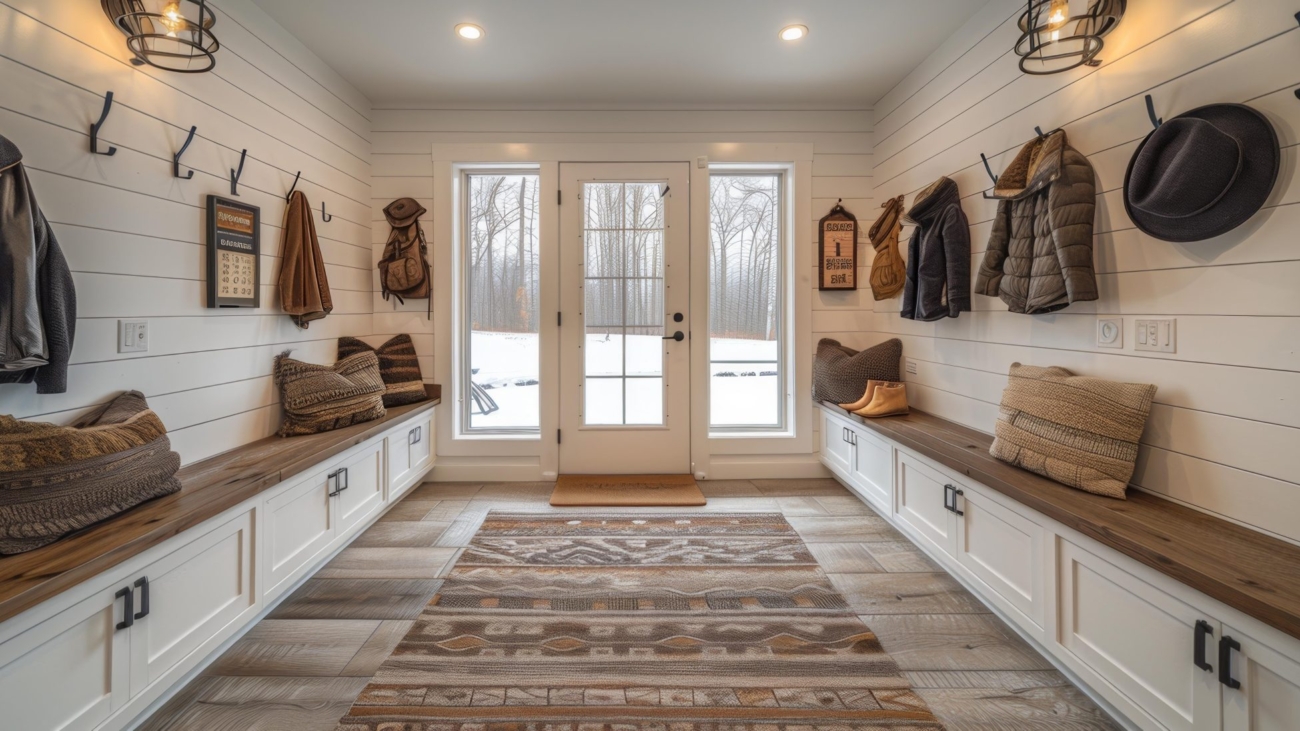
  • Durability: Tile, slate, or porcelain floors resist water and clean easily. Wipeable paints and robust finishes ensure walls and cabinetry stand up to daily use. Paneling or wainscoting adds protection while enhancing style.
  • Storage: Built-in benches with drawers below and cubbies above maximize vertical space. Closed cabinets hide clutter; open shelves offer quick access. Some mudrooms double as command centers with mail slots, calendars, and charging stations.
  • Lighting & Ventilation: Bright, natural light combined with well-placed LED fixtures makes the room welcoming. Adequate airflow prevents damp gear from getting musty.

Where Utility Meets Design

Function drives the mudroom, but style gives it staying power. Today’s mudrooms blend seamlessly with the home’s aesthetic. Natural tones—beige, gray, green, or blue—connect to the outdoors, while farmhouse-inspired wood benches or shiplap walls add warmth. Contrasts like crisp white cabinetry with black hardware, or patterned tile floors, create visual interest.

Even in practical layouts, the best mudrooms feel calm. They aren’t just landing zones—they reflect how the home functions and feels.

How Families Are Using Mudrooms Today

Custom lockers and cubbies tame the chaos of busy mornings. Pet owners incorporate wash stations and pull-out drawers for food and bowls. Hybrid mudroom-laundry rooms streamline chores. Even small spaces, like narrow hallways or converted closets, can function as “micro-mudrooms,” proving that good design is about intention, not size.

The Psychology of the Mudroom

The mudroom creates a pause—a transition between the outside world and home. Taking off shoes, hanging coats, and setting down keys signals the shift from motion to stillness. Children learn routines; adults regain a sense of order. This simple space quietly contributes to harmony, balance, and a calmer home.

Looking Ahead

Mudrooms continue to evolve with technology, sustainability, and flexibility. Built-in charging drawers, smart locks, modular storage, reclaimed materials, and low-VOC finishes reflect modern priorities. Movable partitions and adaptable shelving allow the space to grow with families. In larger homes, dual mudrooms are becoming common for multi-generational households or dual-entry designs.

The mudroom isn’t a passing trend—it’s a permanent feature of thoughtful, modern living.

Conclusion: The Quiet Hero of the Home

The mudroom keeps the chaos of daily life in check. It absorbs dirt, gear, and clutter, giving the rest of the home a chance to remain calm, clean, and comfortable. It’s a lifestyle statement: a space designed for the way we actually live.

Whether you have a busy family, pets, or just want a more organized entryway, a well-designed mudroom transforms how your home looks—and how it feels. It’s the subtle upgrade you’ll appreciate every single day, long after the remodel is complete.

Every detail—from durable flooring to custom cabinetry—works together to simplify routines, create order, and make daily life feel a little more manageable.