
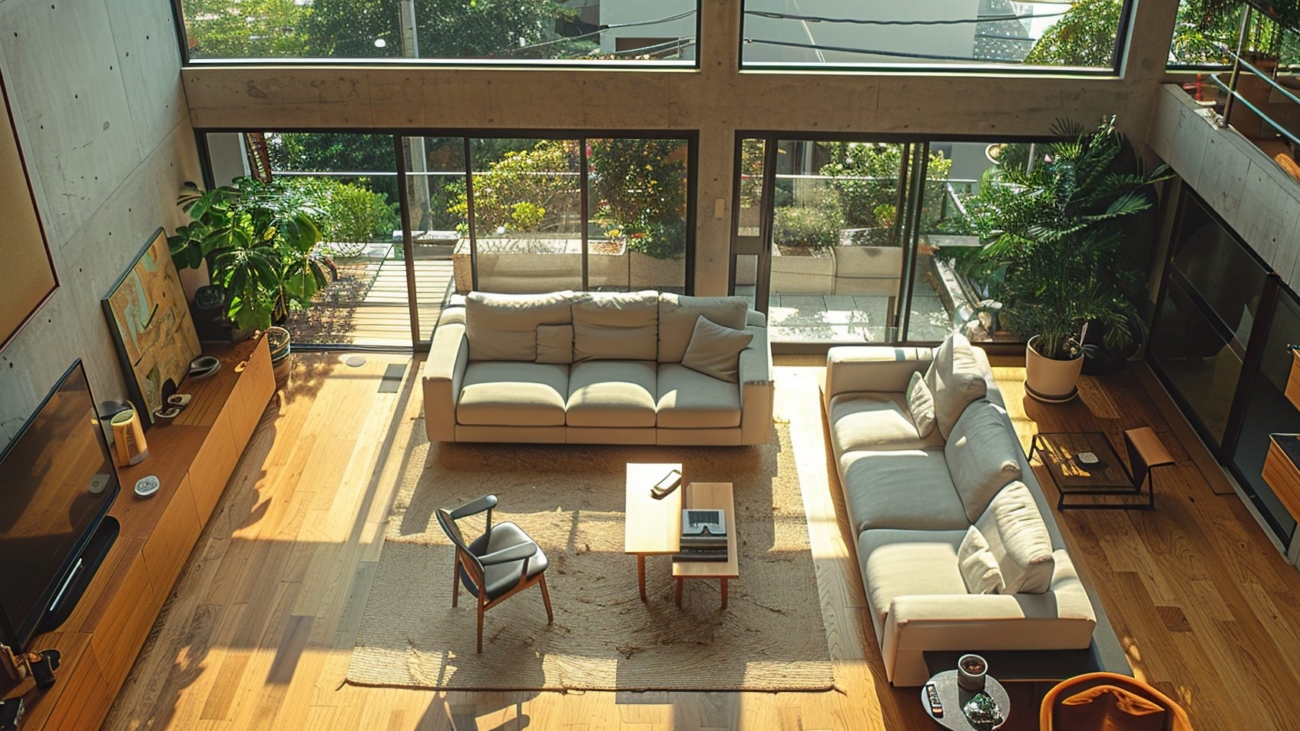
For years, the open-concept floor plan has dominated modern home design. Celebrated for its light, flow, and sense of togetherness, it broke down the barriers between kitchens, dining areas, and living rooms. Families could cook, relax, and entertain in one connected space, and homes felt larger, brighter, and more social.
But as our lifestyles have evolved, so have our needs. The same open layouts that once felt liberating can now feel chaotic. Remote work, hybrid schedules, and juggling family activities all in one shared space have made homeowners crave a balance between connection and privacy. We still love the airiness and flow of open living—but we also need corners to focus, unwind, and enjoy a little quiet.
This balance is at the heart of Open Concept 2.0—an evolved approach to home design that keeps the spaciousness of open layouts while reintroducing subtle boundaries, acoustic control, and flexibility. It’s about creating homes that feel open and cohesive, yet functionally zoned and comfortable for real life.
The Evolution of Open Living
The original open-concept layout emerged as a reaction to the closed-off, compartmentalized homes of the past. Removing walls between kitchens, dining rooms, and living spaces created homes that felt fresh, connected, and family-friendly. It reflected a cultural shift toward togetherness: parents could cook while keeping an eye on the kids, and guests could mingle freely.
However, over time, the downsides became clear. Noise from a blender or television traveled throughout the house. A messy countertop was visible from every angle. Heating and cooling large open areas proved inefficient, and anyone needing quiet had to retreat to a bedroom. The once-celebrated openness began to feel too exposed.
Rather than abandoning the concept, designers began refining it. Open Concept 2.0 preserves visual connection while restoring balance—creating homes that feel unified, but not uniform. The result is a design philosophy that embraces both community and calm.
Redefining “Open”: Principles of Open Concept 2.0
At its core, Open Concept 2.0 is about fostering connection without sacrificing comfort or function. It follows several key principles:
-
Connection Through Sightlines: Open doesn’t mean wall-less. Visual cues—aligned design elements, open doorways, and consistent materials—maintain a sense of unity while keeping spaces distinct.
-
Defined Zones Without Rigid Partitions: Subtle architectural elements like half walls, built-ins, ceiling variations, and flooring transitions create purpose for each area while preserving flow.
-
Flexible Privacy: Sliding panels, pocket doors, or movable screens allow spaces to open or close depending on the moment.
-
Acoustic and Visual Balance: Soft furnishings, layered textures, and strategic furniture placement help manage sound and maintain calm.
These principles create smarter, more livable open spaces—spaces that adapt to modern life instead of dictating it.
Designing Open Spaces That Feel Defined
One challenge of open layouts is giving each area identity. Without visual or tactile cues, a large space can feel undefined and overwhelming. Subtle, intentional design moves can signal transitions while keeping everything cohesive.
-
Ceiling as a Divider: Varying ceiling height or materials can indicate transitions. A coffered ceiling over a dining area feels intimate, while smooth drywall in the living room maintains visual flow. Recessed or pendant lighting further reinforces zones.
-
Flooring Changes: Shifting from tile in the kitchen to hardwood in the living room signals function without walls. Area rugs anchor furniture and subtly define areas. Even changing the direction of planks or tiles adds boundary while keeping unity.
-
Furniture as Architecture: In open spaces, furniture defines space. A sofa turned away from the kitchen, backed by a low shelving unit, can delineate a living area. A kitchen island separates cooking from dining while keeping communication open.
Lighting and Materials: Defining Through Design
Lighting and material choices help shape the atmosphere and reinforce boundaries:
-
Layered Lighting: Ambient lighting ties spaces together; task lighting highlights function; accent lighting frames areas and creates mood transitions.
-
Varied Materials and Finishes: Mixing textures—matte paint in a lounge, glossy tile in the kitchen—adds visual rhythm. Subtle differences in wood, stone, or fabrics create identity while maintaining cohesion.
-
Small Details Matter: Wainscoting, wall treatments, or subtle trims signal purpose and help people intuitively understand how to use a space.
Partial Dividers and Flexible Boundaries
Partial dividers allow a sense of enclosure without sacrificing openness. Half walls, glass partitions, or steel-framed panels define areas while letting light through and softening sound.
Flexibility is key. Movable dividers—pocket doors, sliding panels, or curtains—allow spaces to adapt to changing needs. Open the layout for gatherings, close it for quiet work. This adaptability makes Open Concept 2.0 both practical and forward-thinking.
Built-Ins That Shape Space
Built-ins help organize open plans naturally. Banquettes can define dining zones, while custom bookcases or media walls separate living areas without disrupting flow. These elements bring order and purpose, making spaces functional and inviting.
Maintaining Cohesion Across Zones
While defining spaces is important, visual unity matters just as much. Consistency in materials, color palettes, and detailing ties zones together. Repeating accents, aligned furniture, and thoughtful sightlines create harmony and intentionality.
The Overlooked Factor: Acoustics
Noise can make an open home feel chaotic. Layering soft furnishings, rugs, curtains, and upholstered furniture absorbs sound. Acoustic ceiling panels, wood slats, and even plants help diffuse noise while adding warmth.
For remote work or hybrid learning, good acoustics are essential. Thoughtful sound management ensures an open home still feels calm and private.
Adapting to Modern Lifestyles: The Home Office
Remote work has changed home design. Open Concept 2.0 integrates micro-offices—desk nooks, workstation cabinets, or under-stair setups—that can close off when not in use. Sliding glass partitions or acoustic panels transform parts of open areas into private workspaces, maintaining both openness and functionality.
Real-World Example
Picture an open kitchen-dining-living space. Initially, it feels freeing—but clutter, noise, and lack of definition create chaos.
An Open Concept 2.0 redesign could include:
-
A slatted wood divider between kitchen and dining
-
A two-sided fireplace anchoring both dining and living areas
-
Layered lighting and area rugs defining zones
-
A built-in banquette encouraging intimate meals
The space remains airy and connected, but every area now has purpose and identity.
Tailoring Open Concept 2.0 to Your Style
Open Concept 2.0 works across design styles:
-
Modern farmhouse: Half-walls or wood beams define spaces
-
Transitional: Paneled dividers balance traditional and modern
-
Contemporary: Clean lines and minimalist partitions maintain flow
-
Industrial: Steel-framed glass adds urban edge
-
Traditional: Archways, trims, and ceiling treatments separate spaces subtly
The key is respecting architectural language while creatively defining areas.
The Future of Open Living
Open Concept 2.0 isn’t about abandoning openness—it’s about evolving it. Homes today need to look good and work for real life.
This approach delivers flexibility, calm, and comfort. Families can gather, work, and relax without constantly colliding. Light, flow, and connection remain, but noise, clutter, and lack of boundaries no longer dominate.
The most successful homes aren’t just open—they’re intelligently open.
Final Thoughts
The open floor plan changed how we live. Open Concept 2.0 is refining it—creating spaces that breathe, connect, and offer quiet retreats.
A well-designed open home invites togetherness while respecting the need for privacy. It adapts to modern life without sacrificing style or comfort.
If you’re planning a remodel or custom build, consider working with a team that understands how to create spaces that flow and function. Homes should fit the rhythm of your life—bright yet balanced, open yet defined, connected yet calm.
Because the next generation of open living isn’t about seeing everything—it’s about feeling at home everywhere.