
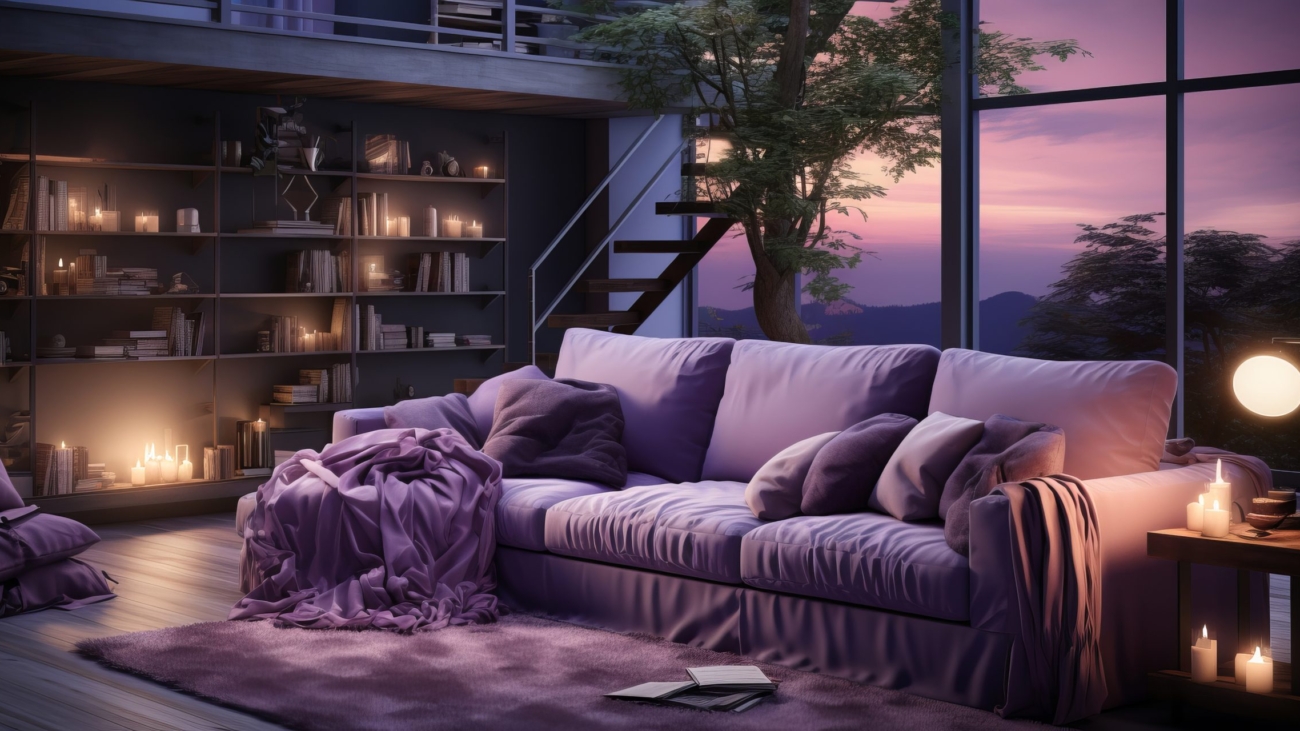
We believe a truly great home does more than look beautiful—it feels beautiful. The way sunlight streams through a window, the path you take from kitchen to living room, even the subtle way sound moves through the air: every detail shapes your comfort and mood. Together, these elements influence how you experience daily life.
This connection between our surroundings and our well-being is known as the psychology of space. It’s where architecture, design, and human emotion intersect. When these elements work in harmony, a home becomes more than shelter—it becomes a sanctuary that restores, inspires, and welcomes you every day.
In this guide, we’ll explore the design principles that make certain spaces feel effortlessly better than others—from lighting and layout to acoustics and materials. You’ll see how small, thoughtful choices can have a powerful emotional impact, and how Sebring Design Build uses these insights to craft homes that feel intuitive, balanced, and alive.
Because a well-designed home isn’t just seen. It’s felt.
1. Why Some Homes Just Feel Better
Comfort isn’t only about furniture or finishes—it’s about how a space engages your senses, supports daily life, and subtly shapes your mood.
Environmental psychologists have long proven that our surroundings affect stress, focus, and overall happiness. Homes that feel calm and intuitive make us feel grounded, while disorganized or harshly lit spaces create subtle unease—even if we can’t explain why.
At Sebring Design Build, every layout, lighting plan, and material choice is guided by how it will feel to live in the home—from movement and function to relaxation and everyday comfort.
2. Lighting: The Ultimate Mood Shaper
Harnessing Natural Light
Daylight is one of the most powerful tools in design. It regulates sleep, lifts spirits, and improves focus. Homes that maximize sunlight naturally feel open, fresh, and alive. Strategic window placement, skylights, and glass doors bring light deep into your home. Even small touches, like transoms or reflective surfaces, can dramatically brighten a room.
Layered Lighting for Real Life
Lighting isn’t just about brightness—it’s about flexibility. A home that works for life combines:
- Ambient lighting for general illumination
- Task lighting for functional spaces like kitchens and offices
- Accent lighting to highlight features or art
This layered approach ensures every activity—cooking, reading, relaxing—feels effortless. A dimmer switch or warmer bulb instantly changes the mood to match your day.
Color Temperature Matters
Warm light (2700–3000K) creates coziness and intimacy. Cooler light (4000K+) energizes and sharpens focus. By mixing temperatures thoughtfully, lighting can mimic natural patterns: bright and alert in the morning, soft and calming at night.
3. Flow and Layout: The Art of Movement
Some homes feel natural to move through, while others make you stop and adjust at every turn. That’s the power of flow.
Creating Seamless Movement
A home with good flow guides you effortlessly from entry to kitchen to living spaces. Poorly planned layouts—narrow halls, awkward door swings, dead-end corridors—create subtle stress, even if you don’t consciously notice it.
Balancing Connection and Privacy
Open plans foster togetherness, but families also need private retreats. Achieving balance can be as simple as subtle transitions: changes in ceiling height, flooring materials, or furniture placement that guide movement naturally.
Scale and Proportion
Comfort exists in proportion. Rooms too large feel impersonal; too small feel cramped. Sebring Design Build designs spaces at a human scale—generous enough to breathe, intimate enough to feel personal.
Flow That Matches Your Life
We map how you move through your day—morning routines, family meals, evening relaxation—so the layout supports your lifestyle. When your home moves with you, life feels smoother.
4. Acoustics: The Sound of Comfort
What you hear matters as much as what you see. Noise—from traffic, appliances, or open layouts—can subtly raise stress levels. Thoughtful acoustic design creates calm and balance.
Materials That Shape Sound
Hard surfaces reflect sound; soft surfaces absorb it. Area rugs, drapes, upholstered furniture, and textured walls all contribute to harmony.
Zoning Sound
Quiet areas like bedrooms and home offices benefit from buffers—closets, hallways, cabinetry—between them and social spaces. Good acoustics aren’t immediately obvious, but your body notices.
5. Materials, Texture, and Sensory Balance
The Touch Factor
Design engages touch as much as sight. Smooth countertops, soft textiles, and warm wood underfoot provide subtle daily comfort. Natural materials feel inherently “right.”
Bringing Nature Indoors
Biophilic design—wood, stone, plants, daylight—lowers stress and boosts contentment. Sebring homes weave natural textures and views into everyday life, connecting interior spaces with the outdoors.
The Role of Color
Color shapes emotion. Warm tones invite intimacy; cool tones soothe. Neutrals balance visual noise and enhance spaciousness. At Sebring, color palettes are chosen to influence mood as much as style.
6. When Design Elements Work Together
Lighting, flow, acoustics, and materials each play a role—but it’s their combination that makes a home feel alive. A bright living room can feel harsh if acoustics are off. A cozy bedroom may feel stifling without the right lighting. Comfort comes from harmony, not individual elements.
7. Real-Life Examples
Morning in the Kitchen
Sunlight streams through a well-placed window, the coffee station flows naturally to the patio, and the space feels effortlessly calm.
Evening Gatherings
Layered lighting, controlled acoustics, and an open layout make social spaces welcoming without feeling crowded.
Quiet Nights in the Bedroom
Soft lighting, subtle sound control, and warm textures create a refuge for rest and relaxation.
8. Simple Ways to Make Your Home Feel Better
Even small changes can transform comfort:
- Let in more natural light: swap heavy drapes for sheers, add mirrors, open sightlines.
- Layer lighting: combine ceiling fixtures, lamps, and task lights for flexibility.
- Rethink flow: clear pathways, reduce bottlenecks, and make daily tasks easier.
- Soften sound: add rugs, curtains, or panels to absorb echo.
- Introduce nature: plants, wood accents, natural fibers.
- Mix textures and colors: calming hues for quiet zones, energizing tones for social areas.
- Personalize: spaces that reflect your personality always feel warmer.
9. How Sebring Design Build Crafts Homes That Feel Right
We design experiences, not just spaces. Every project begins with understanding your lifestyle, values, and how you want your home to feel.
Our Approach:
- Listen first: Learn how you live and what brings comfort.
- Design holistically: Consider lighting, flow, acoustics, and materials together.
- Build with care: Ensure every design decision translates seamlessly from drawing to reality.
- Fine-tune details: Adjust lighting, sound, and proportion until the space feels perfect.
The result? Homes that look stunning, function effortlessly, and—most importantly—feel incredible to live in.
10. Why It Matters
A well-designed home shapes your mood, energy, and even relationships. When a space supports you physically, emotionally, and visually, life simply flows easier.
If you’ve ever said, “I can’t explain it, but this house just feels right,” now you know why. It’s design that respects human experience: light that flatters, flow that makes sense, acoustics that calm, and materials that feel alive.
A home that feels good doesn’t happen by chance—it’s intentionally crafted. At Sebring Design Build, we merge the science of space with the art of craftsmanship, creating homes where families gather more, mornings feel smoother, and quiet moments truly restore.
Ready to live in a home that looks beautiful and feels right? Our team is here to help—whether it’s a single room remodel or a full custom build. Every detail, every layout, every light switch is tuned to you.
Let’s design a home that moves with you, restores you, and reflects who you are. Contact Sebring Design Build today to start your journey.